01
TN informationI have TN
Understand the condition, prepare for appointments and find practical support.
Clear information, real experiences and practical support for young people living with trigeminal neuralgia or other facial pain conditions — and for the people around them.
Choose the route that fits what you know today. New or persistent facial pain deserves proper clinical assessment rather than self-diagnosis.
Understand the condition, prepare for appointments and find practical support.
TN is not the only cause of facial pain and the right route depends on the diagnosis.
Keep a simple record of what happens and what it stops you doing, then take it to a healthcare professional.
Pain can be isolating when nobody your age seems to know what it is. Human support matters.
Meet other younger people affected by TN and facial pain. Ask the team what is coming up and how to join.
Find the groupIf you would value friendly contact, ask the team about the Friendship Line and whether it is the right support for you.
Ask the teamIf you are under 18 and need support, talk to a parent, carer, teacher, school safeguarding lead or health professional you trust, where it is safe to do so. If anyone is in immediate danger, call 999.
You do not have to explain everything. A short, honest sentence is enough. You deserve to stay included even when pain means you sometimes have to say no.
“I really want to come, but my facial pain is bad today. I’m not ignoring you — I need to rest. Please still invite me next time.”
“My pain is real even if you can’t see it. I might need to leave early, stay somewhere warm or change plans. I’m still me.”
You do not need a perfect explanation. Tap the person you want to tell and use the words as they are, or change them so they sound like you.
“I have a facial pain condition. Sometimes I have to change plans at short notice. Please keep inviting me — I still want to be included.”
“My facial pain can affect speaking, eating and concentration. If it flares, I may need a short break or a quieter space. I’ll let you know what helps.”
“I want to take part, but some days my pain means I may need to stop early or sit something out. Please ask me rather than assuming I can’t join in.”
“I live with a facial pain condition. Most of the time I manage it, but occasionally I may need a short break or to explain if pain is affecting me.”
Pain may change some days. It does not decide who you are, who your friends are or what your future can be.
Going for a shorter time, arriving later or leaving early can still mean being part of it.
Tell the person in charge what you need on a difficult day. Taking part can look different from one day to the next.
If eating or temperature is difficult for you, choosing where and when to meet can make plans easier.
If weather or travel is difficult for you, tell people before the plan starts so changing it does not feel like a last-minute crisis.
You can explain the practical effect of the pain without telling everyone your full medical history.
One cancelled plan does not make you unreliable or a bad friend. A quick message and another invitation can keep the connection going.
You are still you — on good days, bad days and the days in between.
Treatment depends on the cause of the facial pain. You do not need to remember everything in the room — a short list can help you explain what is happening and leave with clearer answers.
Note where the pain is, what it feels like, how long it lasts, what seems to trigger it and what it stops you doing.
Include what you take, the dose if you know it, and any side effects. Do not stop or change prescribed medicine without advice from the clinician responsible for your care.
You can ask what diagnosis is being considered, whether tests are needed, what treatment options exist, what side effects to watch for and what happens if the plan does not help.
Tell them if it is affecting eating, talking, sleep, school, college, work, travel or seeing friends. That information matters.
If you want to, bring a parent, carer or another trusted adult. They can help you remember what was said and make sure your questions are heard.
Treatments used for TN are not automatically right for every other facial pain condition. The diagnosis and your own circumstances matter.
This section is for preparing for a conversation with a healthcare professional, not for choosing or changing treatment yourself.
Pain, treatment and appointments can affect concentration, speaking, eating, sleep, attendance and confidence.
“I have a facial pain condition. I may occasionally need a short break, a quiet space or a different way to communicate.”
“If I go quiet, stop eating or need to leave, I’m not being rude. I’m trying to get through the pain.”
This is for learning, not for diagnosing TN or another facial pain condition.
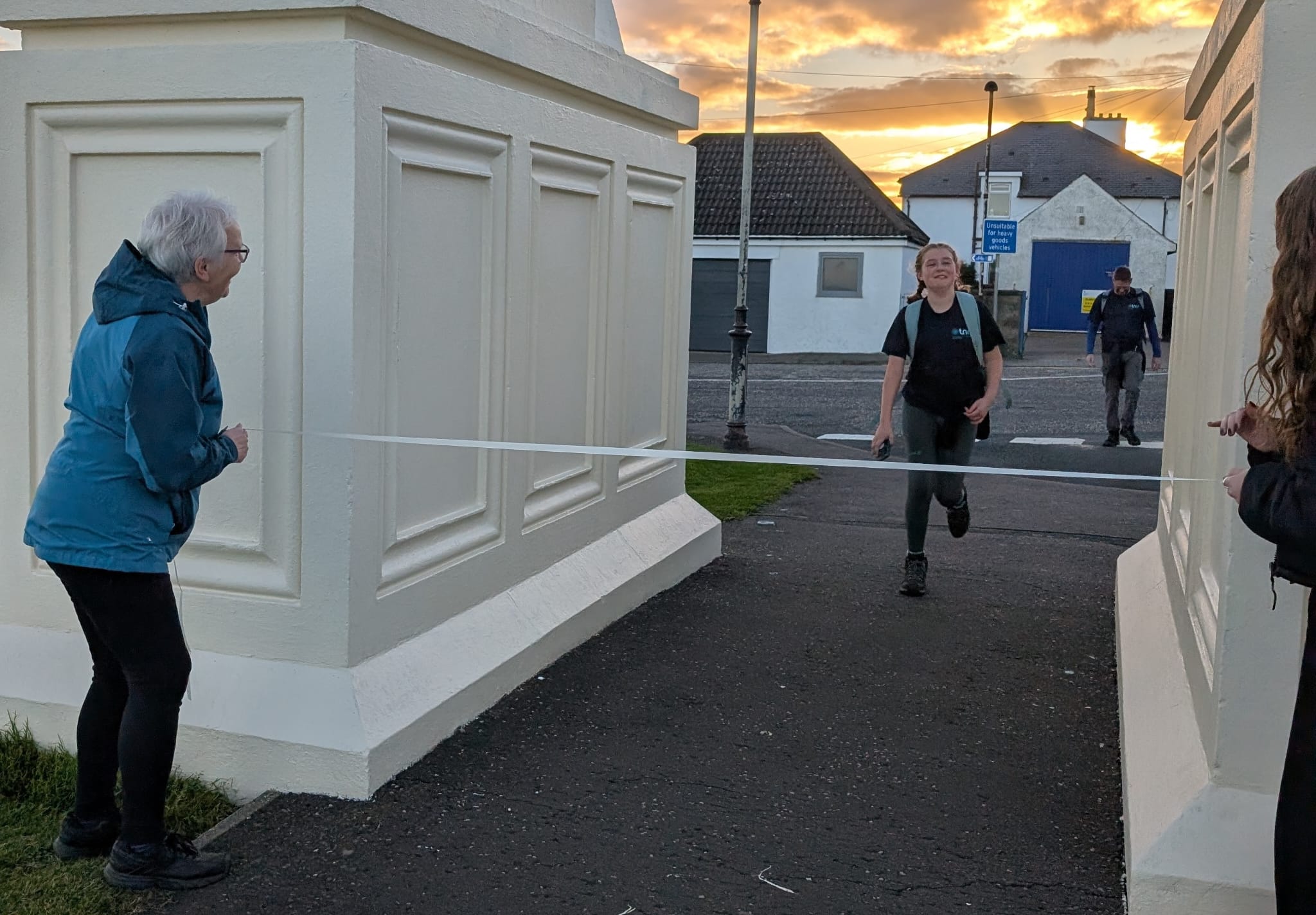
Grace’s story is already part of TNA’s history. TNA has reported her experience of TN, her family’s support and two separate fundraising efforts: first friendship bracelets, then a 20-mile walk for International Trigeminal Neuralgia Day.
Grace’s first fundraiser involved making and selling friendship bracelets for TNA.
TNA later reported that her separate 20-mile challenge raised more than £2,350.
Molly underwent microvascular decompression (MVD) as a teenager and later spoke at TNA’s conference in London. Her experience is part of our history of young people living with TN.
Read the TNA storyYoung people still need privacy, friendships, education, independence and plans of their own. Parents and carers often need support too.
Carer informationContact TNAPrepare for appointments. Keep a simple record of symptoms, questions and treatment effects.
Keep education involved. Share what staff need to know, not the whole medical history.
Listen to the young person. Ask how they want help offered.
Look after yourself too. Caring can affect work, sleep and family life.
Your support helps us provide information and human support, raise awareness, strengthen patient voice and research, and work towards better diagnosis, better treatment and ultimately a cure.
Help build practical information, school resources, peer connection and family support.
Help improve understanding, diagnosis and treatment and support research towards a cure.
Walk, run, create, celebrate or take on a challenge that means something to you.
Your experience can help us improve information, campaigns and support for the next young person who needs us.
Help another young person feel less alone.
Help with writing, video, photography or school resources where appropriate.
Tell us what is missing and what young people actually need.
Help schools, healthcare professionals and the public understand facial pain.
Turn an idea, event or challenge into support for the community.
Keep it short. Tell them what the pain can stop you doing, what helps, and that you still want to be included.
Say that the pain is bad today, not that you do not want to see them. Ask them to keep inviting you.
Tell a trusted member of staff if pain or treatment is affecting learning, attendance, speaking, eating or concentration.
Ask TNA about the Young People’s RSG and other current support options.
This information is general and does not replace individual medical advice. If you have new, severe or persistent facial pain, seek advice from an appropriate healthcare professional.