URGENT HELP FOR TRIGEMINAL NEURALGIA
Severe or rapidly worsening facial pain deserves prompt medical assessment. Do not avoid A&E when emergency care is needed.
If your trigeminal neuralgia pain becomes overwhelming, cannot be controlled with your prescribed plan, or makes it difficult to eat, drink or take essential medicine, seek urgent NHS advice. If you are seriously unwell or unable to stay hydrated, attend A&E for assessment.

When to seek emergency or urgent care
- Call 999 immediately if you have signs of a life-threatening emergency, such as sudden facial drooping with arm weakness or speech difficulties, difficulty breathing, collapse or a severe allergic reaction. Do not assume new neurological symptoms are simply TN.
- Go to A&E if you need emergency assessment, particularly if your pain is unmanageable, you are unable to drink or take essential medication, you may be dehydrated, or a clinician or NHS 111 advises you to attend. Do not delay because of a previous TN diagnosis.
- Contact NHS 111 (or use 111 online in England) if you need urgent help but are unsure which service is right. NHS 111 can direct you to A&E, an urgent treatment centre or other appropriate care.
- Contact your GP or usual TN specialist promptly for a worsening flare, medication problems or an urgent review of your treatment plan. Seek urgent services if you cannot get timely help or your condition deteriorates.
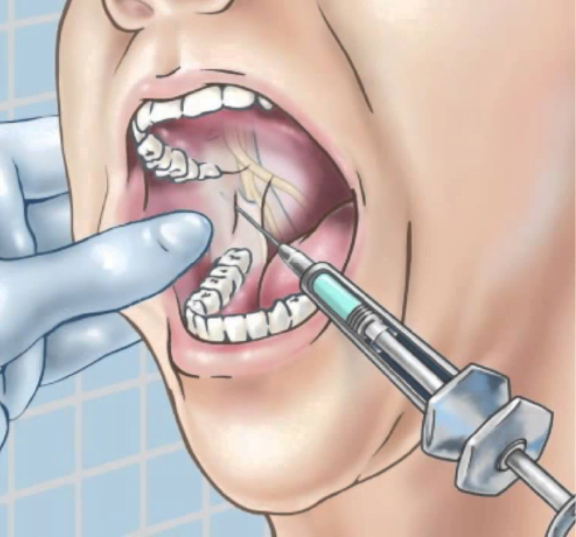
Routine dental review may be important when dental disease is suspected, but it is not a requirement before seeking A&E care. Treatments such as local anaesthetic blocks or hospital medicines require individual clinical assessment; not every service offers them and relief cannot be guaranteed.
Do not increase, stop or change prescribed TN medicines without medical advice.
What to tell the emergency team
- Explain that you have trigeminal neuralgia or severe facial pain. Describe the attacks, what is different from usual, how long symptoms have lasted, and whether you can drink or take medication.
- Bring your medication list, allergies, relevant clinical letters and TNA UK alert card if you have one.
- If talking triggers pain, take a written summary or ask someone you trust to help explain your symptoms.
- Ask the assessing clinician about appropriate pain management, hydration, medication review and whether specialist advice is needed.
Standard painkillers such as paracetamol are often ineffective for TN, but the emergency team must decide which treatment is safe and appropriate for you. If symptoms recur, arrange follow-up with your GP or specialist.
Sources: NHS 111 urgent care guidance; NHS trigeminal neuralgia treatment information; NHS TN overview.
General information, not individual medical advice. Emergency signposting updated 19 October 2026. This page should undergo a further review by TNA UK’s Medical Advisory Board.