Post-herpetic neuralgia is nerve pain that continues in an area affected by shingles after the rash has improved. When shingles affects the face, careful assessment is particularly important around the eye.
Shingles is caused by reactivation of the varicella-zoster virus. It affects a band of skin supplied by a nerve.
Post-herpetic neuralgia occurs when pain persists after the shingles rash has healed. It is more common with increasing age and after severe shingles.
The pain is usually limited to the area where the rash occurred.
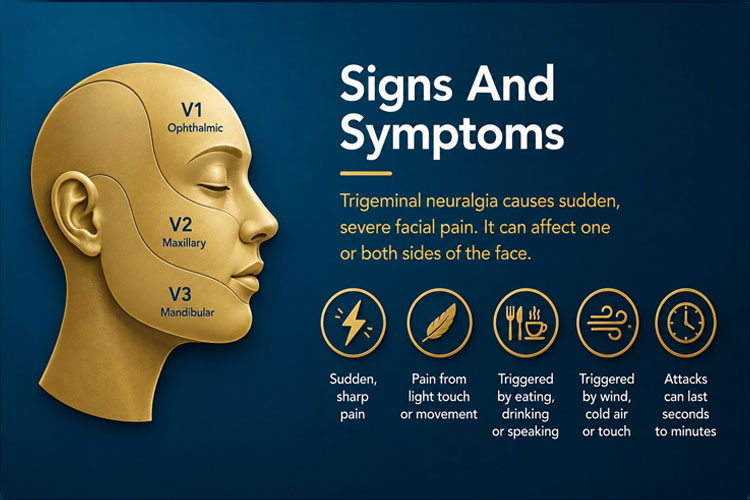
Signs And Symptoms
Burning, aching, sharp or stabbing skin pain
Pain from light touch, clothing or temperature change
Itching, numbness or altered sensation
Pain that is constant or comes and goes
Symptoms beginning during shingles or after the rash settles
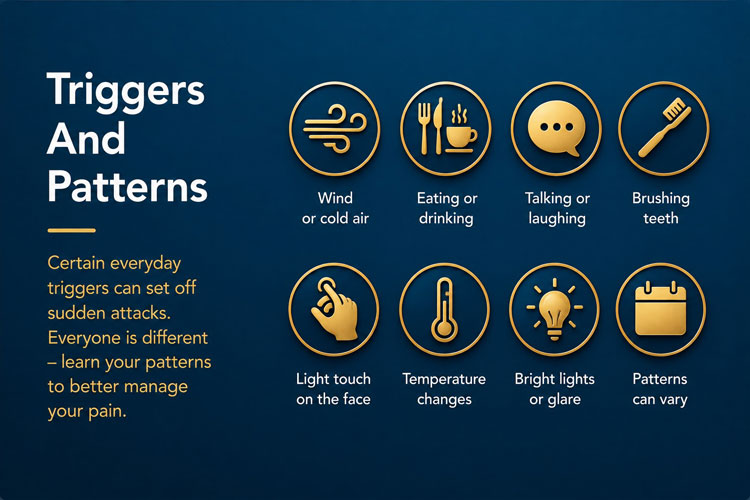
Triggers And Patterns
Light touch or pressure
Heat or cold
Wind, washing or contact with clothing
Some people have spontaneous pain
Assessment Or Diagnosis
A GP usually diagnoses PHN from the history of shingles and the pain distribution.
When the face or eye is involved, eye services, neurology or a pain clinic may be needed.
Other causes should be considered if the pain does not match the previous rash area.
Treatment And Management
Treatment may include medicines used for nerve pain, topical lidocaine for suitable localised pain, and pain-management support.
Medicines are usually started at a low dose and reviewed for benefit and side effects.
Prompt assessment and treatment of shingles may reduce complications. Shingles vaccination reduces the risk of shingles and post-herpetic neuralgia in eligible groups.
Living with the condition
Living with post-herpetic neuralgia after shingles
Protect very sensitive or numb skin from irritation and extreme temperatures. Loose fabrics or a soft protective layer may help.
Keep a diary of pain, touch sensitivity, sleep and treatment response.
What you can do today
Protect sensitive skin from rubbing and extreme temperatures; loose, soft fabrics may be more comfortable.
A cool pack wrapped in cloth may help some people, but do not place ice directly on the skin.
Keep a daily record of pain, touch sensitivity, sleep and treatment response.
Seek prompt advice for a new shingles rash, especially on the forehead, eyelid, eye or nose.
Preparing for your appointment
Date and location of the shingles rash and when pain began
Whether the rash involved the forehead, eyelid, eye or nose
Pain quality, touch sensitivity, itching, numbness and temperature sensitivity
Any eye pain, redness, light sensitivity or vision change
Medicines and topical treatments tried and any side effects
Effect on sleep, clothing, washing, eating and daily activity
When pain is affecting your wellbeing
Persistent pain after shingles can affect sleep, clothing, washing and confidence about touch.
Support for sleep, anxiety, low mood and coping can sit alongside medical treatment. It does not mean the pain is imagined.
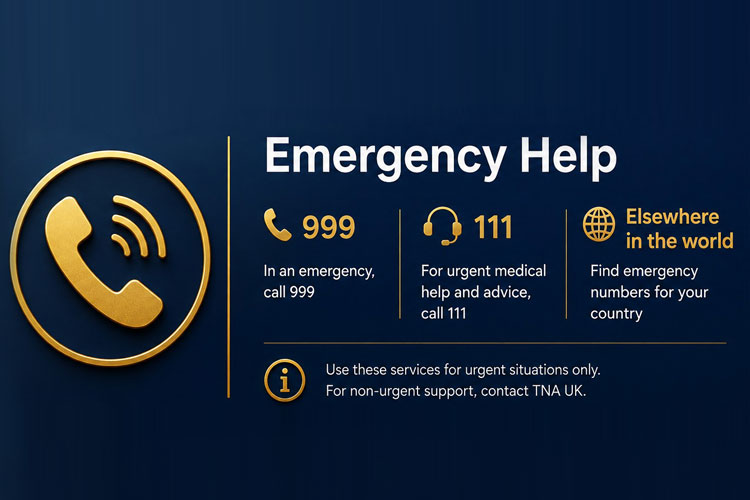
If you feel unable to keep yourself safe, call 999 or go to A&E. For urgent mental-health help that is not an immediate emergency, use NHS 111 and select the mental-health option where available.
For family members and carers
Avoid touching sensitive skin without warning and help reduce irritation from clothing or bedding.
Support medicine routines and record benefit and side effects.
Watch for a new rash or eye symptoms and seek prompt medical advice.
Recognise the impact of interrupted sleep and persistent pain on mood.
Frequently Asked Questions
Answers to common questions
Yes. It commonly starts during shingles or soon after, but can occasionally become apparent later.
PHN is not contagious. Active shingles can transmit chickenpox to someone who is not immune through contact with blister fluid.
It often improves over months, but duration varies and some people have longer-lasting pain.
Shingles vaccination reduces the risk of shingles and PHN in eligible groups.
Related Conditions and Topics
Other facial pain conditions and useful information
This information is for general guidance and does not replace professional medical advice. Always consult your healthcare professional.
Latest News
TN Awareness Day 2026: Show TN 3 Fingers Passes 250,000 Views
TNA UK’s Show TN 3 Fingers and Face of TN campaign has passed 250,000 YouTube views, marking a quarter of a million views for trigeminal neuralgia awareness.