Trigeminal neuropathic pain is pain caused by injury or disease affecting the trigeminal nerve. It is often more continuous than trigeminal neuralgia and may occur with numbness or altered sensation.
The trigeminal nerve carries sensation from the face, mouth and teeth. When the nerve is damaged or diseased, pain may occur in the area supplied by the affected part of the nerve.
The pain may follow facial trauma, shingles, surgery, dental treatment or another neurological condition. Sometimes the exact cause is difficult to establish.
This condition is different from classical TN, although a person may describe both continuous pain and short shock-like episodes.
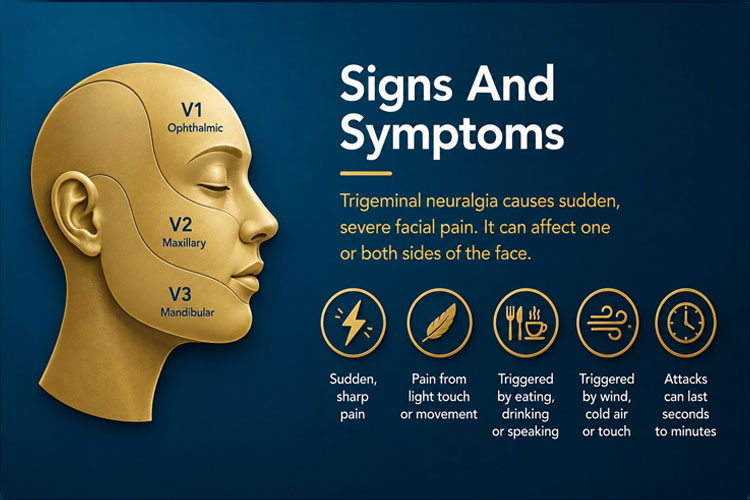
Signs And Symptoms
Burning, aching, stabbing or pins-and-needles pain
Continuous or near-continuous pain
Numbness, reduced sensation or altered feeling
Pain from light touch or temperature change
Pain beginning after an injury, procedure, shingles or surgery
Symptoms following the area of the affected trigeminal nerve
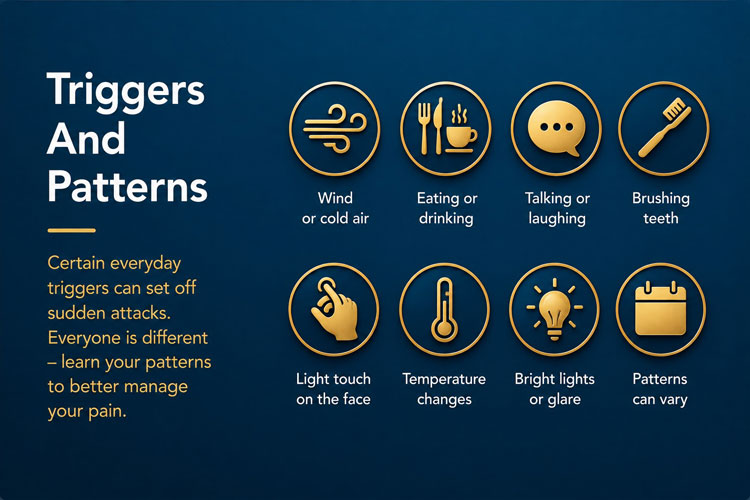
Triggers And Patterns
Touch, temperature change or movement may worsen symptoms
The painful area may be unusually sensitive
Some people have no consistent trigger
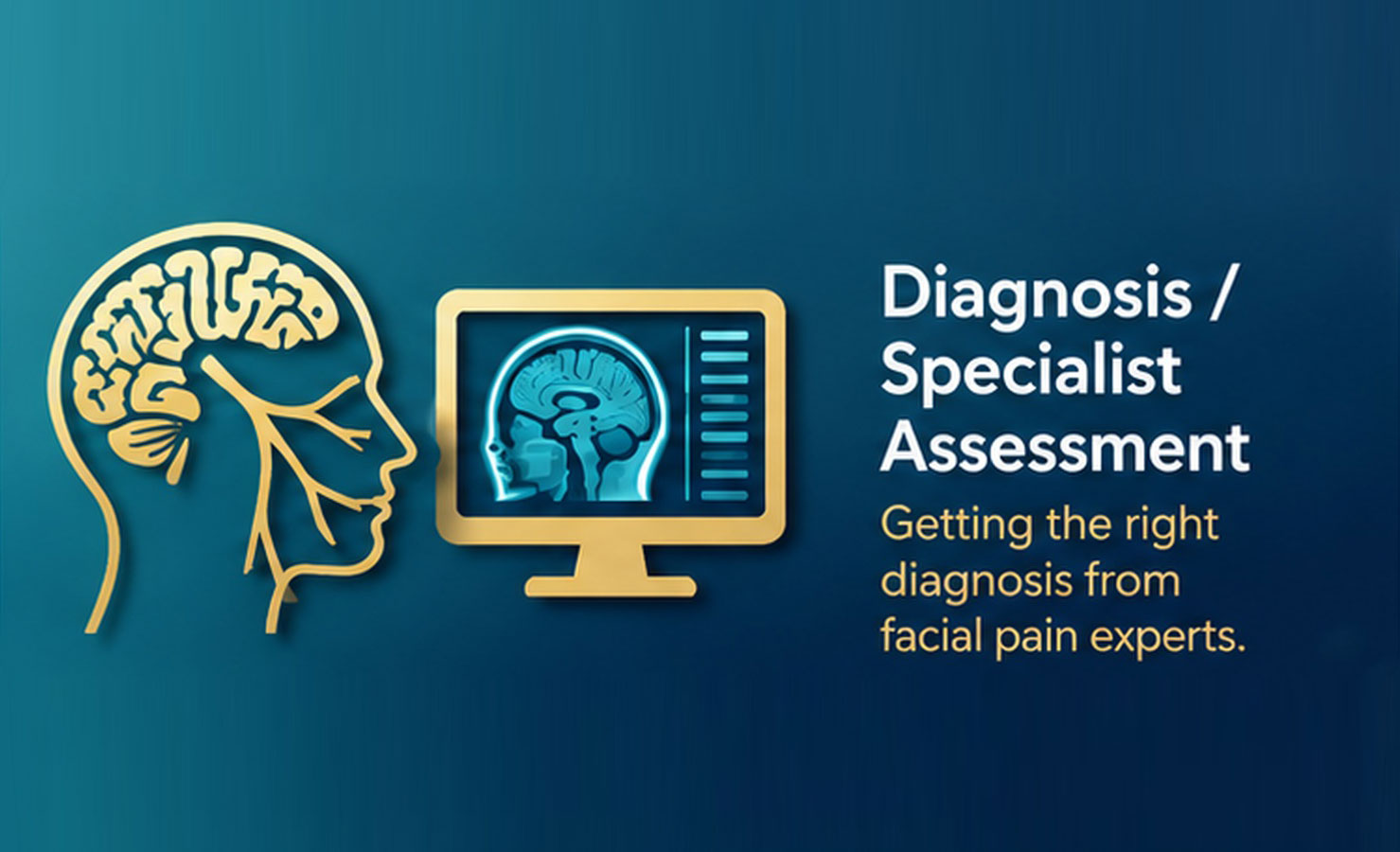
Assessment Or Diagnosis
Diagnosis is based on the history, examination and evidence of trigeminal nerve dysfunction. A clinician will ask about injuries, shingles, operations and dental procedures.
Dental examination may be needed when pain is felt in the teeth or jaw. Neurology, oral medicine, maxillofacial or pain services may be involved.
Imaging or other tests may be used when a structural or neurological cause needs to be investigated.
Treatment And Management
Treatment is individual and may include medicines used for neuropathic pain, topical treatment for localised symptoms and pain-management support. Psychological therapies may help with sleep, distress, activity and the impact of persistent pain alongside medical care. Their use does not mean that the pain is imagined.
Further surgery or irreversible dental treatment should not be presented as a routine answer when the source of pain is uncertain.
Do not start, stop or change prescribed medication without clinical advice.
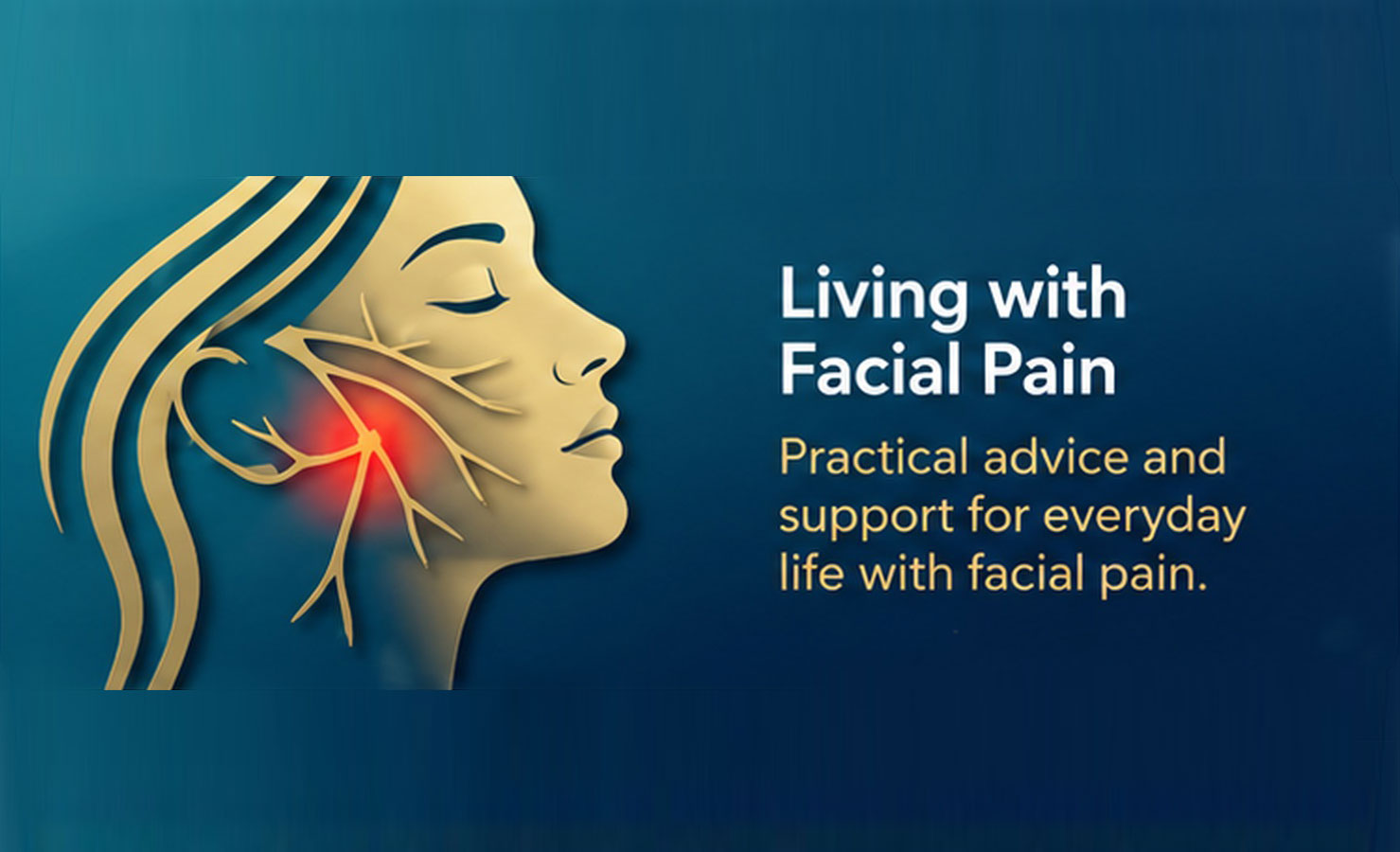
Living with the condition
Persistent altered sensation can affect eating, face care, sleep and confidence. Protect numb skin from extreme heat, cold and accidental injury.
Keep a record of pain, numbness, triggers, treatment and the effect on daily life.
What you can do today
Protect areas of reduced sensation from very hot or cold temperatures and accidental injury.
Record the exact area of pain and numbness and whether symptoms followed shingles, injury, dental treatment or surgery.
Avoid repeated irreversible dental or surgical procedures unless there is a clear diagnosis and expected benefit.
Ask for review if the pain, numbness or sensitivity is worsening or affecting eating, sleep, face care or safety.
Preparing for your appointment
When the pain began and whether it followed injury, shingles, surgery or dental treatment
Exact area of pain and any numbness, tingling or reduced sensation
Whether pain is continuous, intermittent or triggered by touch or temperature
Any skin, eye, dental, jaw or neurological symptoms
Investigations, procedures and medicines already tried
How symptoms affect eating, face care, sleep, mood, work and safety
When pain is affecting your wellbeing
Persistent pain and altered sensation can affect confidence, sleep, mood and social contact.
Support for sleep, anxiety, low mood and coping can sit alongside medical treatment. It does not mean the pain is imagined.
If you feel unable to keep yourself safe, call 999 or go to A&E. For urgent mental-health help that is not an immediate emergency, use NHS 111 and select the mental-health option where available.
For family members and carers
Avoid touching numb or hypersensitive skin without asking.
Help protect areas of reduced sensation from heat, cold and accidental injury.
Support a single treatment record so repeated procedures and conflicting advice can be avoided.
Recognise the effect of persistent pain on sleep, mood and daily function.
Frequently Asked Questions
Answers to common questions about Trigeminal neuropathic pain
No. Trigeminal neuropathic pain is often continuous and accompanied by altered sensation, while TN usually causes brief shock-like attacks.
Nerve injury can follow dental or facial procedures, but the timing and examination must be assessed carefully.
No. Pain and reduced sensation can occur together when a sensory nerve is damaged.
Related Conditions and Topics
Other facial pain conditions and useful information
This information is for general guidance and does not replace professional medical advice. Always consult your healthcare professional.
Latest News
TN Awareness Day 2026: Show TN 3 Fingers Passes 250,000 Views
TNA UK’s Show TN 3 Fingers and Face of TN campaign has passed 250,000 YouTube views, marking a quarter of a million views for trigeminal neuralgia awareness.