Pain from teeth, gums or surrounding tissues can spread into the jaw and face. Dental causes should be assessed properly, but pain without a clear dental cause should not lead to repeated irreversible treatment.
Dental pain may come from tooth decay, a cracked tooth, infection, gum disease, grinding, trauma or problems after treatment.
Pain felt in a tooth is not always caused by that tooth. TN, TMD, headache disorders and neuropathic pain can all be felt in the teeth or jaw.
A dental examination and appropriate tests help distinguish dental disease from referred or nerve pain.
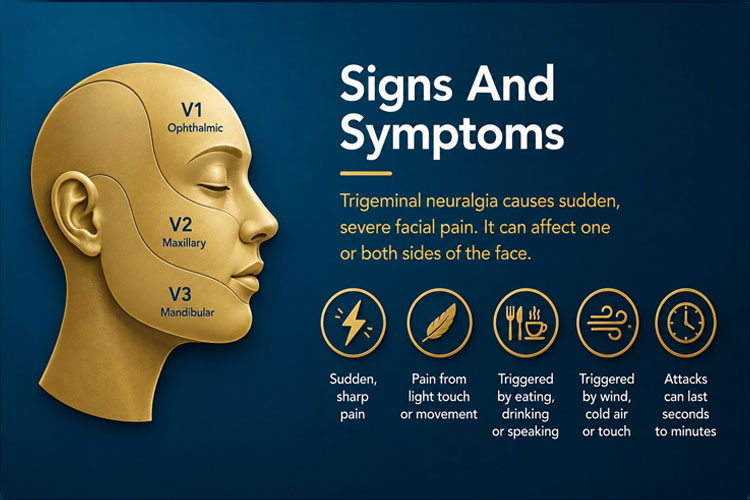
Signs And Symptoms
Localised tooth pain or sensitivity
Pain on biting or chewing
Swelling of the gum, face or jaw
Bad taste, discharge or fever with infection
Pain linked to hot, cold or sweet food
Persistent pain after dental treatment
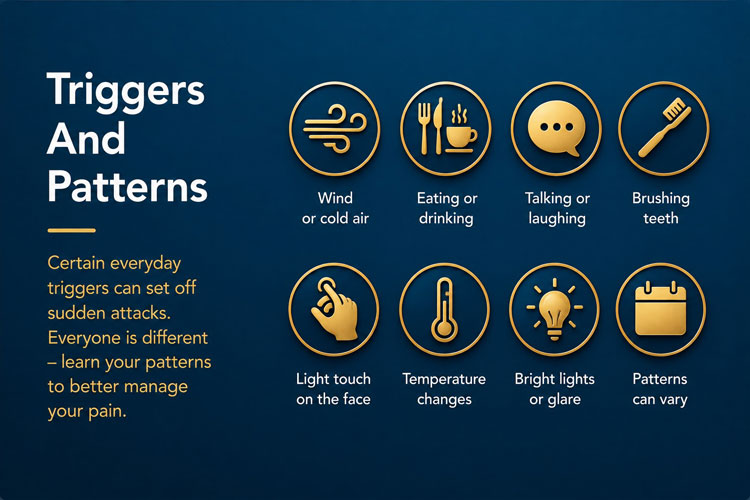
Triggers And Patterns
Biting or pressure on a tooth
Hot, cold or sweet food and drink
Pain may become spontaneous when inflammation or infection progresses
Shock-like pain from light facial touch is less typical of ordinary toothache
Assessment Or Diagnosis
A dentist may examine the teeth and gums, test individual teeth and take X-rays when appropriate.
When no dental cause is found, the dentist or GP should consider other facial pain conditions and referral routes.
Repeated extraction or root-canal treatment should not be used to investigate unexplained facial pain.
Treatment And Management
Treatment depends on the dental diagnosis and may include restoration, root-canal treatment, extraction, gum treatment or management of grinding.
Antibiotics are not appropriate for every toothache. A dentist will decide whether they are needed based on signs of infection and the person’s clinical condition.
Unexplained persistent pain needs reassessment rather than repeated procedures.
Living with the condition
Keep a clear record of which tooth or area hurts, what triggers it, whether pain wakes you, and any swelling or fever.
Tell the dentist about facial pain diagnoses and medicines, but do not assume that every new symptom is neurological.
What you can do today
Arrange a dental assessment when tooth or gum pain persists, especially with pain on biting, swelling, fever, discharge or a bad taste.
Record which tooth or area hurts and what happens with heat, cold, sweet food, biting or light facial touch.
Do not agree to repeated irreversible treatment solely as a test when no dental cause has been found.
Maintain fluids and suitable food, and seek urgent help for spreading swelling or difficulty breathing or swallowing.
Preparing for your appointment
Which tooth or area hurts and whether pain is localised or spreading
Sensitivity to hot, cold, sweet food, biting or pressure
Any swelling, fever, bad taste, discharge or bleeding
Recent dental treatment, trauma or cracked teeth
Whether light touch to the face triggers shock-like pain
Dental findings, X-rays, treatment already carried out and what happened afterwards
When pain is affecting your wellbeing
Unexplained or persistent tooth and facial pain can be distressing, particularly after unsuccessful treatment.
Support for sleep, anxiety, low mood and coping can sit alongside medical treatment. It does not mean the pain is imagined.
If you feel unable to keep yourself safe, call 999 or go to A&E. For urgent mental-health help that is not an immediate emergency, use NHS 111 and select the mental-health option where available.
For family members and carers
Help the person obtain dental care and keep a record of findings and treatment.
Do not press for extraction or root-canal treatment when there is no clear dental diagnosis.
Support food, fluids and prescribed medicines during severe pain.
Recognise spreading swelling, fever or breathing and swallowing difficulty as urgent.
Frequently Asked Questions
Answers to common questions
Yes. TN is often felt in the teeth, gums or jaw, which is why careful dental assessment matters.
No. Irreversible treatment should be based on clear dental findings and diagnosis.
Yes. This may reflect healing, continuing dental disease, TMD or neuropathic pain and should be reassessed.
Start with a dentist. Oral medicine, maxillofacial, neurology or facial pain services may be needed if no dental cause is found.
Related Conditions and Topics
Other facial pain conditions and useful information
This information is for general guidance and does not replace professional medical advice. Always consult your healthcare professional.
Latest News
TN Awareness Day 2026: Show TN 3 Fingers Passes 250,000 Views
TNA UK’s Show TN 3 Fingers and Face of TN campaign has passed 250,000 YouTube views, marking a quarter of a million views for trigeminal neuralgia awareness.