Temporomandibular disorders affect the jaw joints, the muscles used for chewing, or both. They can cause jaw and facial pain, clicking, stiffness or difficulty opening the mouth
The temporomandibular joints sit in front of the ears and connect the lower jaw to the skull. TMD is the name for a group of problems affecting the joints or surrounding muscles.
TMD is common and is not usually serious. Symptoms often improve with simple measures, although some people develop longer-lasting pain.
TMJ describes the joint itself. TMD describes the disorder.
Signs And Symptoms
Pain around the jaw, ear or temple
Clicking, popping or grinding noises
Jaw stiffness or reduced mouth opening
Jaw locking
Pain that is worse with chewing or yawning
Temple headache, ear discomfort or facial muscle tenderness
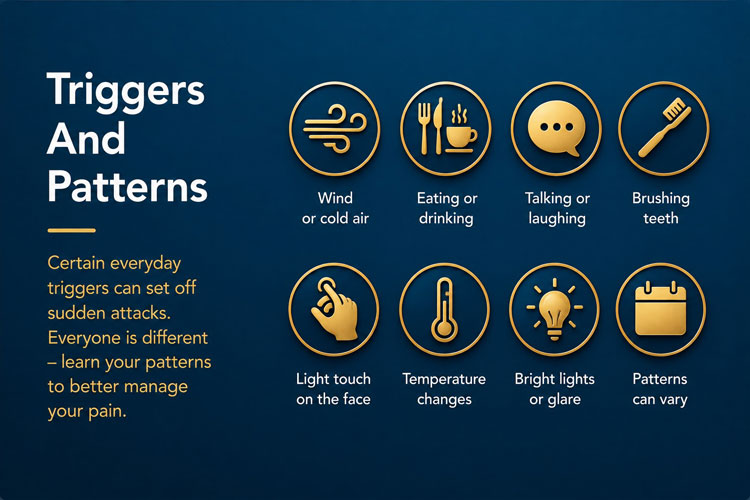
Triggers And Patterns
Chewing hard or chewy foods
Jaw clenching or teeth grinding
Opening the mouth very wide
Long dental appointments or a recent jaw injury
Stress may increase pain or clenching, although it is not the sole cause
Assessment Or Diagnosis
A dentist or GP may assess jaw movement, tenderness, tooth wear, bite and other possible causes. Clicking alone does not necessarily mean treatment is needed.
Imaging is not required for everyone. Referral to oral surgery, maxillofacial, physiotherapy, oral medicine or pain services may be considered when symptoms are severe, persistent or unclear.
Treatment And Management
Initial management is usually conservative: temporary soft food, avoiding gum and wide opening, heat or cold, gentle massage and reducing clenching habits.
A dentist may consider a splint when grinding or tooth damage is relevant. Physiotherapy, sleep support or psychological approaches may help some people.
Surgery is rarely needed for common TMD and irreversible bite changes should not be presented as routine treatment.
Living with the condition
Keep the teeth apart when not eating and avoid repeatedly checking or forcing the jaw. Gradually return to normal use as symptoms settle.
Record locking, reduced opening, eating difficulty and factors that worsen pain.
What you can do today
Temporarily choose softer foods and avoid gum, very chewy foods and opening the mouth unusually wide.
Use a wrapped heat or cold pack on the jaw if this is comfortable, and gently massage painful jaw muscles.
Notice clenching or grinding habits and allow the teeth to rest apart when you are not eating.
Do not force, repeatedly test or manipulate a painful or locking jaw.
Preparing for your appointment
Where pain is felt and whether it is linked with chewing or jaw movement
Any clicking, locking, stiffness or reduced mouth opening
Whether symptoms followed injury, dental treatment or a period of clenching or grinding
Foods or activities that worsen symptoms
Any swelling, fever, tooth symptoms, ear symptoms or neurological changes
Self-care, splints, physiotherapy or medicines tried and their effect
When pain is affecting your wellbeing
Jaw pain can disrupt sleep, eating and concentration and may increase worry about normal jaw movement.
Support for sleep, anxiety, low mood and coping can sit alongside medical treatment. It does not mean the pain is imagined.
If you feel unable to keep yourself safe, call 999 or go to A&E. For urgent mental-health help that is not an immediate emergency, use NHS 111 and select the mental-health option where available.
For family members and carers
Encourage gentle normal jaw use without forcing or repeatedly testing movement.
Help with softer meals during a painful flare while avoiding unnecessary long-term restriction.
Notice whether pain, locking or limited opening is affecting food and fluids.
Support dental or medical review when symptoms persist or suddenly worsen.
Frequently Asked Questions
Answers to common questions
No. Clicking without pain or loss of function is common and may not need treatment.
It can produce referred pain, but dental and ear causes may still need to be excluded.
Usually not. Many cases improve with conservative care, although symptoms can recur.
Most people do not. Surgery is reserved for selected joint problems after specialist assessment.
Related Conditions and Topics
Other facial pain conditions and useful information
This information is for general guidance and does not replace professional medical advice. Always consult your healthcare professional.
Latest News
TN Awareness Day 2026: Show TN 3 Fingers Passes 250,000 Views
TNA UK’s Show TN 3 Fingers and Face of TN campaign has passed 250,000 YouTube views, marking a quarter of a million views for trigeminal neuralgia awareness.