Persistent idiopathic facial pain is ongoing facial or oral pain that does not fit another recognised diagnosis after appropriate assessment. The pain is genuine even when tests do not reveal a structural cause.
PIFP is usually described as daily pain present for more than two hours a day over more than three months. It is often poorly localised and does not follow the exact distribution of a single nerve.
The older term atypical facial pain is still sometimes used, but PIFP is the preferred classification term.
The diagnosis should be made only after relevant dental, medical and neurological causes have been considered.
Under formal diagnostic criteria, neurological examination is normal and a dental cause has been excluded by appropriate examination and investigations.
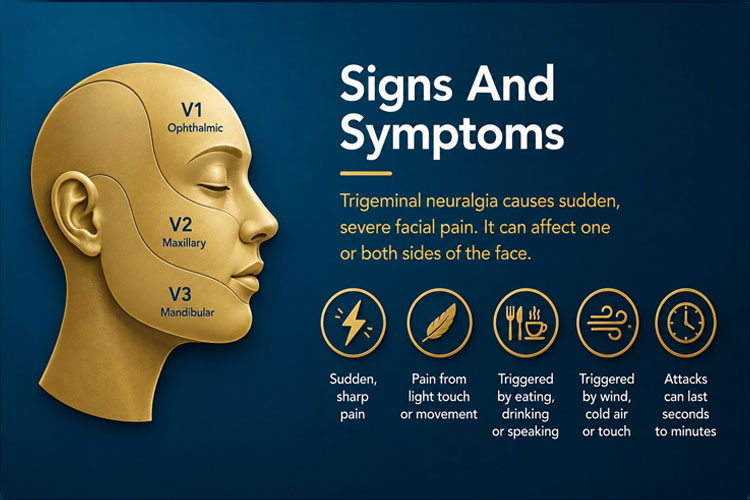
Signs And Symptoms
Dull, aching, nagging or pressure-like pain
Daily or near-daily facial or oral pain
Pain that is difficult to pinpoint
Pain that may spread or change location
Normal neurological examination in the affected area under formal criteria
Significant impact on sleep, mood, work and daily life
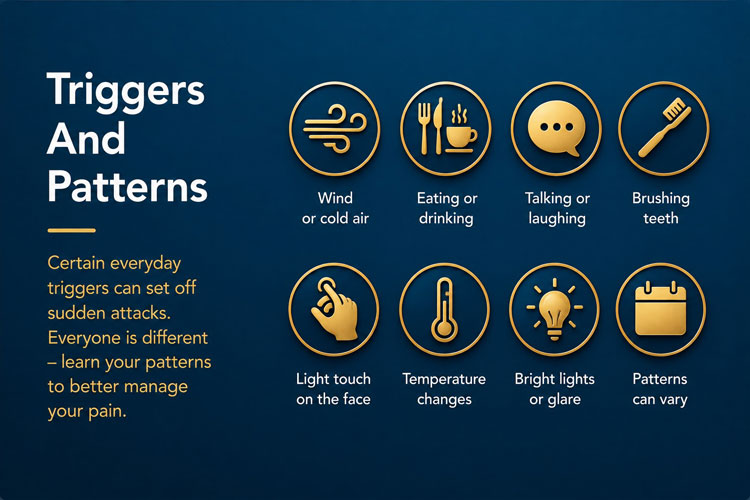
Triggers And Patterns
Pain may fluctuate without clear triggers
Stress, fatigue or poor sleep may worsen symptoms but do not make the pain imaginary
Repeated procedures may aggravate pain in some people
Assessment Or Diagnosis
Assessment may involve a dentist, GP, oral medicine specialist, neurologist or pain service.
The history should include previous dental work, trauma, surgery, pain distribution and the effect of touch or movement.
PIFP should not be used as a quick label before adequate assessment.
Treatment And Management
Management often combines clear explanation, avoidance of unnecessary procedures, medicines used for persistent pain when appropriate and pain-management support. Psychological therapies may help with sleep, distress, activity and the impact of persistent pain alongside medical care. Their use does not mean that the pain is imagined.
Treatment may aim to reduce pain, improve daily function and lessen distress.
Treatment should be agreed with an experienced clinician and reviewed for benefit and side effects.
Living with the condition
Normal tests do not mean the pain is not real. A consistent care plan can reduce repeated investigations and conflicting advice.
Track function, sleep, food, activity and treatment response, not only pain scores.
What you can do today
Keep one clear record of pain location, daily duration, previous dental work, investigations and treatments.
Avoid repeated investigations or irreversible procedures unless there is a new clinical reason.
Track sleep, eating, activity and function as well as pain intensity.
Ask for a consistent care plan and clarity about which clinician is coordinating treatment.
Preparing for your appointment
When pain began and whether it followed dental work, injury or surgery
Exact area, quality and daily duration of pain
Whether the location changes or the pain spreads
Any numbness, weakness, swelling, dental or neurological symptoms
Investigations and irreversible procedures already carried out
Effect on sleep, eating, work, mood and activity, and what treatments have helped or worsened symptoms
When pain is affecting your wellbeing
Living with persistent pain and normal test results can be isolating and can lead to repeated searching for an explanation.
Support for sleep, anxiety, low mood and coping can sit alongside medical treatment. It does not mean the pain is imagined.
If you feel unable to keep yourself safe, call 999 or go to A&E. For urgent mental-health help that is not an immediate emergency, use NHS 111 and select the mental-health option where available.
For family members and carers
Validate the pain and avoid suggesting it is imagined because tests are normal.
Help maintain one clear record of investigations, procedures and treatment response.
Support gradual daily activity and a consistent care plan rather than repeated emergency searching.
Encourage professional help when pain is seriously affecting mood or safety.
Frequently Asked Questions
Answers to common questions
No. PIFP is usually persistent and poorly localised; TN typically causes brief electric shock-like attacks.
No. Persistent pain can exist without a visible structural abnormality.
Only when there is a clear dental diagnosis. Repeated irreversible treatment can worsen unexplained pain.
It can help with coping, sleep, activity and distress alongside medical care. It does not imply the pain is imaginary.
Related Conditions and Topics
Other facial pain conditions and useful information
This information is for general guidance and does not replace professional medical advice. Always consult your healthcare professional.
Latest News
TN Awareness Day 2026: Show TN 3 Fingers Passes 250,000 Views
TNA UK’s Show TN 3 Fingers and Face of TN campaign has passed 250,000 YouTube views, marking a quarter of a million views for trigeminal neuralgia awareness.