Burning mouth syndrome causes a burning or unpleasant sensation in the mouth, often affecting the tongue, lips or cheeks. The mouth may look normal even though the symptoms are real and distressing.
Burning mouth syndrome, shortened to BMS, is persistent or recurring burning pain or discomfort in the mouth without an obvious visible cause after appropriate assessment.
A burning mouth sensation can also be caused by conditions such as oral thrush, dry mouth, nutritional deficiency, medication effects or another medical or dental problem. These need to be considered before primary BMS is diagnosed.
BMS is thought to involve altered nerve processing in some people.
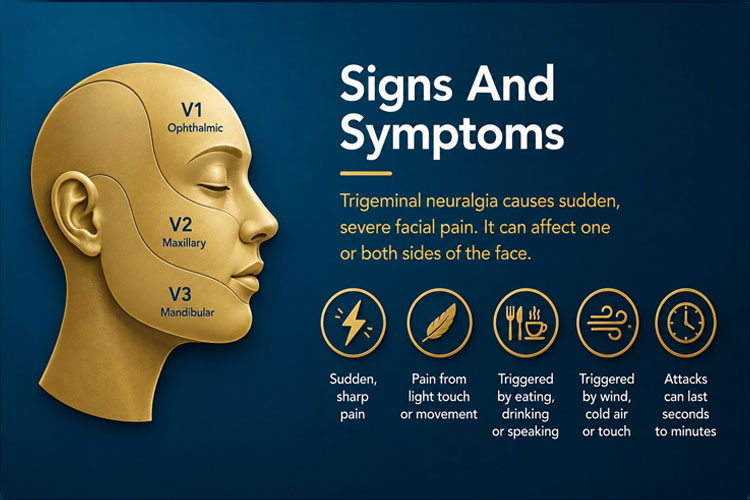
Signs And Symptoms
Burning, scalding, tingling or stinging in the tongue, lips, palate or wider mouth
Symptoms that are continuous or come and go
Dry-mouth sensation
Metallic, salty, bitter or unpleasant taste
Numbness or altered sensation
Symptoms that may increase through the day or with stress
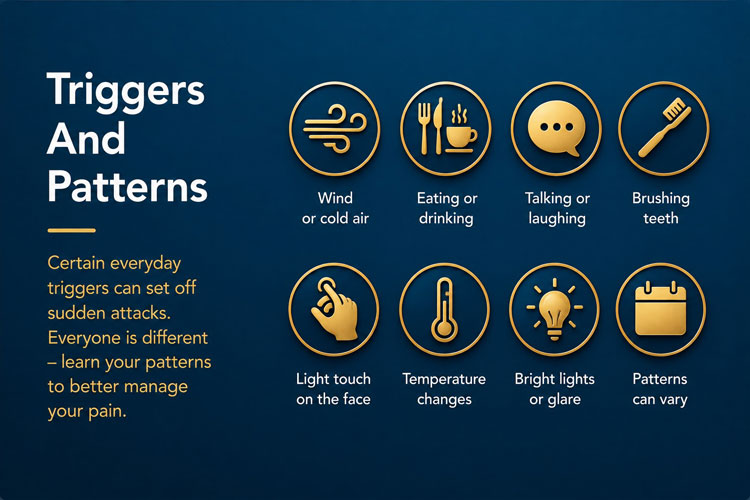
Triggers And Patterns
Hot or spicy food may worsen symptoms for some people
Talking or stress may increase awareness of symptoms
Food, drink, sleep, rest or distraction may temporarily reduce symptoms for some people
Assessment Or Diagnosis
A dentist, GP or oral medicine specialist will examine the mouth and review medicines and medical history.
Tests may be arranged for infection, blood or vitamin deficiency, diabetes, thyroid disease, dry mouth or other causes.
Normal-looking tissues do not mean the symptoms are imagined.
Treatment And Management
Treatment focuses on any identified cause and on reducing symptoms and distress. No single treatment works for everyone.
A clinician may discuss medicines used for neuropathic pain, saliva support, psychological approaches or pain-management strategies.
Vitamins are only useful when a deficiency has been identified, and treatment choices should be individualised.
Living with the condition
Avoid repeatedly checking the mouth or restricting many foods unless they consistently worsen symptoms. Maintain dental care and discuss dry mouth, taste change and nutrition concerns.
Support should validate the pain and address sleep, anxiety and daily function without suggesting the symptoms are imaginary.
What you can do today
Maintain regular dental care and note whether symptoms change with food, drink, speaking, sleep, rest or stress.
Use bland oral-care products if strongly flavoured products irritate the mouth, but avoid repeatedly changing products without advice.
Discuss dry mouth, altered taste, nutrition and medicine effects with a dentist, GP or oral medicine specialist.
Do not take vitamins or supplements specifically for the burning unless a deficiency has been identified.
Preparing for your appointment
Exact areas of the mouth affected and whether the sensation changes through the day
Burning, tingling, numbness, dry-mouth sensation or taste change
Foods, drinks, speaking, sleep or stress that change symptoms
Any ulcers, patches, lumps, bleeding or swallowing difficulty
Medicines, dental products and medical conditions that may affect the mouth
Examinations, blood tests and treatments already tried and their effect
When pain is affecting your wellbeing
Symptoms can be distressing when the mouth looks normal and other people do not understand the impact.
Support for sleep, anxiety, low mood and coping can sit alongside medical treatment. It does not mean the pain is imagined.
If you feel unable to keep yourself safe, call 999 or go to A&E. For urgent mental-health help that is not an immediate emergency, use NHS 111 and select the mental-health option where available.
For family members and carers
Accept that pain can be severe even when the mouth looks normal.
Help the person avoid repeated checking, excessive food restriction or unproven supplements.
Support dental and medical appointments and discussion of dry mouth, taste and nutrition.
Encourage help for sleep, anxiety or low mood alongside medical care.
Frequently Asked Questions
Answers to common questions
Yes. BMS often occurs without visible changes, but examination is still necessary to exclude other causes.
BMS itself is not mouth cancer, but persistent ulcers, lumps or patches must be assessed.
Stress can worsen symptoms, but this does not mean the pain is imaginary or caused solely by anxiety.
Oral medicine services commonly assess it, often working with dentistry, a GP and pain or psychological services.
Related Conditions and Topics
Other facial pain conditions and useful information
This information is for general guidance and does not replace professional medical advice. Always consult your healthcare professional.
Latest News
TN Awareness Day 2026: Show TN 3 Fingers Passes 250,000 Views
TNA UK’s Show TN 3 Fingers and Face of TN campaign has passed 250,000 YouTube views, marking a quarter of a million views for trigeminal neuralgia awareness.