Cluster headache causes extremely severe one-sided pain, usually around the eye or temple, with symptoms such as a red watering eye or blocked nose. Attacks require prompt diagnosis because ordinary painkillers are usually ineffective.
Cluster headache is a primary headache disorder within the trigeminal autonomic cephalalgias.
Attacks occur in bouts or clusters, often at similar times of day, and may recur several times daily for weeks or months.
The condition is different from TN and migraine, although symptoms can overlap.
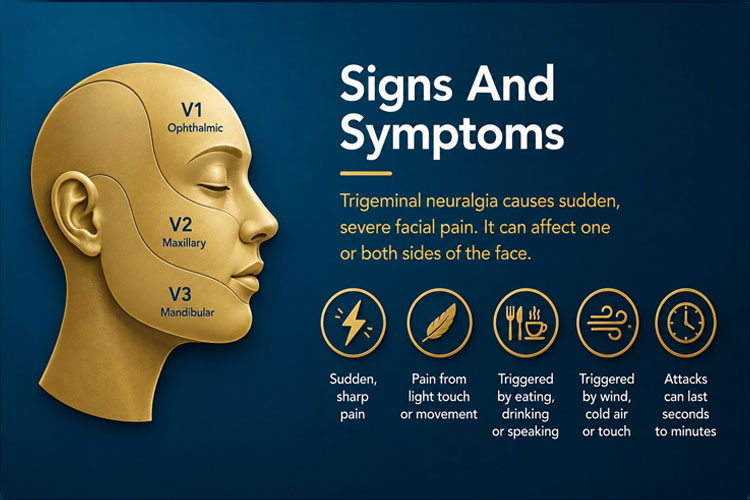
Signs And Symptoms
Severe sharp, burning or piercing pain around one eye or temple
Attacks lasting 15 minutes to three hours
Red or watering eye on the painful side
Blocked or runny nostril, eyelid swelling or facial sweating
Restlessness or agitation during attacks
Attacks occurring at set times or in repeated bouts
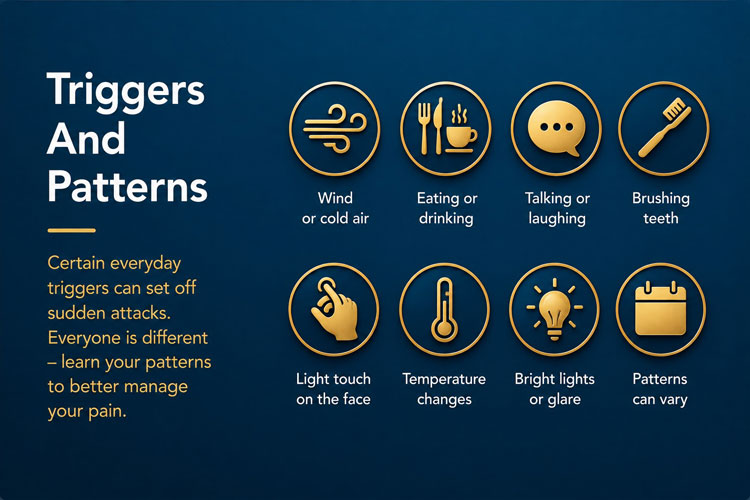
Triggers And Patterns
Alcohol can trigger attacks during an active cluster bout
Strong smells or exercise are reported by some people
Attacks can also occur without an obvious trigger
Assessment Or Diagnosis
A GP or headache specialist diagnoses cluster headache from the attack pattern and associated signs.
Brain imaging may be arranged to exclude other causes, particularly with a first or atypical presentation.
A headache diary should record attack time, length, side, eye and nose symptoms and treatment response.
Treatment And Management
Specialist-prescribed acute treatments include oxygen delivered through an appropriate mask and fast-acting triptans by injection or nasal spray.
Preventive treatment may include verapamil or other specialist options, with appropriate monitoring.
Paracetamol and ibuprofen are usually too slow to treat a cluster attack.
Living with the condition
Attacks can severely disrupt sleep, work and emotional wellbeing. A written plan for acute treatment and urgent review can reduce delays.
Do not drive or use equipment if pain, sleep loss or medicine effects make it unsafe.
What you can do today
Keep prescribed acute treatment accessible and check that you know how and when to use it.
Record every attack’s start time, duration, side, eye or nose symptoms and treatment response.
Avoid alcohol during an active cluster bout if it reliably triggers attacks.
Make a written plan for night-time attacks, work, travel and when to seek urgent help.
Preparing for your appointment
Start and end time of every attack
Exact side and location of pain
Red or watering eye, blocked or runny nose, eyelid or sweating changes
Restlessness or agitation during attacks
Dates of cluster periods, remissions, sleep timing and alcohol exposure
Acute and preventive treatments used, response time and side effects
When pain is affecting your wellbeing
Cluster headache can have a severe effect on sleep, work, relationships and mental health.
Support for sleep, anxiety, low mood and coping can sit alongside medical treatment. It does not mean the pain is imagined.
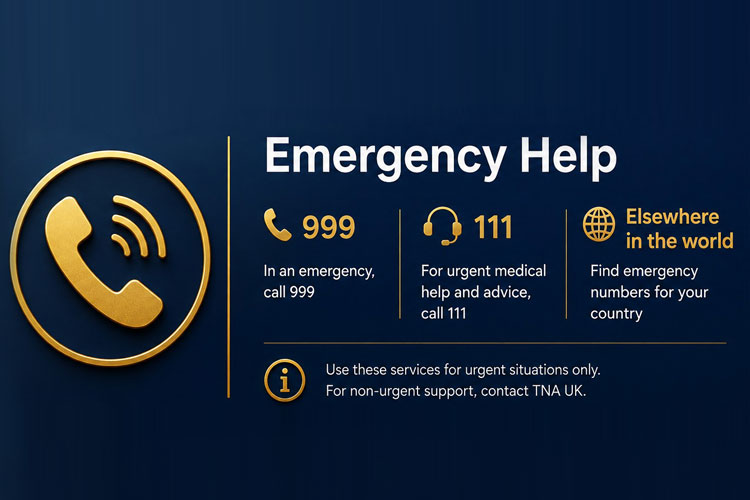
If you feel unable to keep yourself safe, call 999 or go to A&E. For urgent mental-health help that is not an immediate emergency, use NHS 111 and select the mental-health option where available.
For family members and carers
Know where prescribed oxygen or triptan treatment is kept and how the person has been instructed to use it.
During an attack, allow space if the person is restless and avoid trying to make them lie still.
Help maintain the attack diary and the written urgent-care plan.
Take statements about hopelessness or self-harm seriously and seek urgent help.
Frequently Asked Questions
Answers to common questions
Cluster attacks are usually shorter, may recur several times a day and often cause restlessness rather than a wish to lie still.
Cluster attacks last longer and usually include prominent eye or nasal symptoms.
Usually not, because attacks become severe quickly. Prescribed oxygen or fast-acting triptans are commonly used.
Timing and associated symptoms are central to diagnosis and treatment planning.
Related Conditions and Topics
Other facial pain conditions and useful information
This information is for general guidance and does not replace professional medical advice. Always consult your healthcare professional.
Latest News
TN Awareness Day 2026: Show TN 3 Fingers Passes 250,000 Views
TNA UK’s Show TN 3 Fingers and Face of TN campaign has passed 250,000 YouTube views, marking a quarter of a million views for trigeminal neuralgia awareness.