SUNA causes repeated, very short attacks of severe one-sided head or facial pain with one or more symptoms affecting the eye, nose or face on the same side.
SUNA stands for short-lasting unilateral neuralgiform headache attacks with cranial autonomic symptoms.
It belongs to the trigeminal autonomic cephalalgias and is closely related to SUNCT.
SUNA is distinguished from SUNCT by the pattern of autonomic symptoms: both eye redness and tearing are not required.
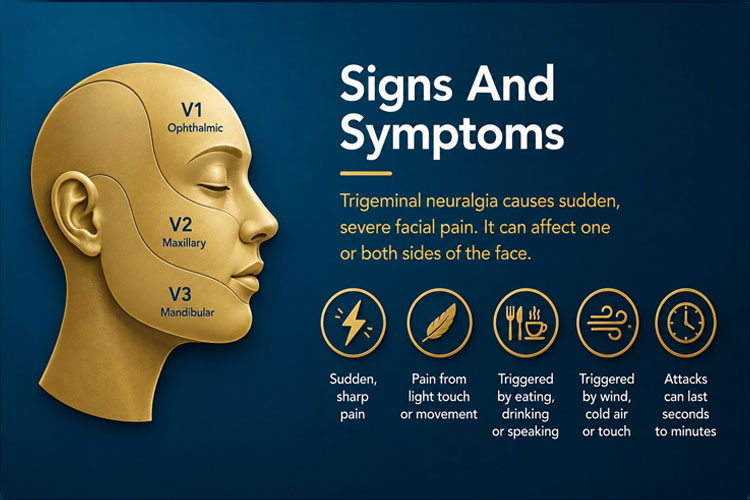
Signs And Symptoms
Severe one-sided stabbing, shooting or burning pain
Attacks lasting seconds to minutes
Tearing, eye redness, eyelid swelling or drooping
Blocked or runny nose
Facial sweating, flushing or ear fullness
Many attacks during a day
Triggers And Patterns
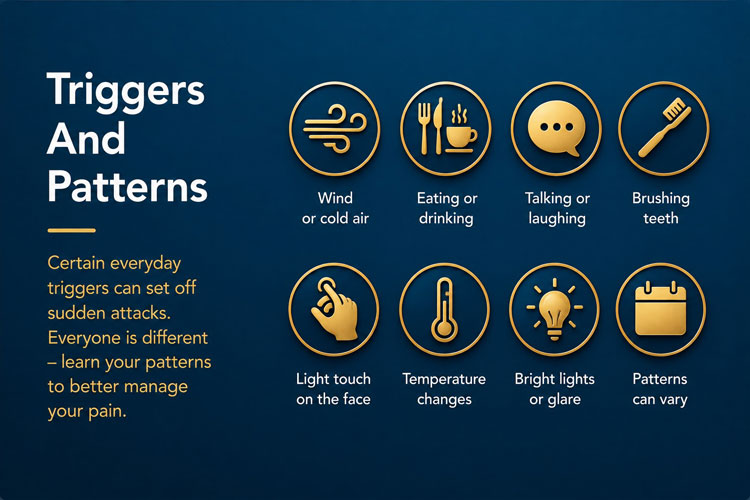
Touch, chewing, speaking or movement may trigger attacks
Attacks may also occur spontaneously
A lack of a clear refractory period can help distinguish it from TN
Assessment Or Diagnosis
Diagnosis requires a detailed attack history and examination by an experienced clinician.
MRI is commonly considered to exclude secondary causes.
The specialist must distinguish SUNA from SUNCT, TN, cluster headache and other short-lasting pain disorders.
Treatment And Management
Treatment should be led by neurology or a specialist headache service and usually focuses on preventive medicines.
Severe uncontrolled periods may require treatment in a specialist setting.
Treatment does not work in the same way for everyone and needs specialist monitoring.
Living with the condition
Frequent unpredictable attacks can affect speech, eating, sleep and work. A diary should record pain side, duration, attack count, triggers and eye or nasal symptoms.
What you can do today
Record the exact duration and number of attacks, the painful side and every eye, nose, eyelid, sweating, flushing or ear symptom.
Note whether attacks are triggered by touch, chewing, speaking or movement and whether they also occur spontaneously.
Seek specialist review because SUNA can overlap with TN and SUNCT but requires its own assessment.
Tell the specialist promptly if frequent attacks are affecting food, fluids, sleep, speech or work.
Preparing for your appointment
Exact side and location of pain
Attack duration and number of attacks each day
Eye, eyelid, nose, sweating, flushing or ear symptoms on the painful side
Touch, chewing, speaking or movement triggers
Whether attacks occur spontaneously and whether another attack can be triggered immediately
Medicines tried, response, side effects and effect on everyday life
When pain is affecting your wellbeing
Frequent unpredictable attacks can affect confidence, work, sleep and normal social contact.
Support for sleep, anxiety, low mood and coping can sit alongside medical treatment. It does not mean the pain is imagined.
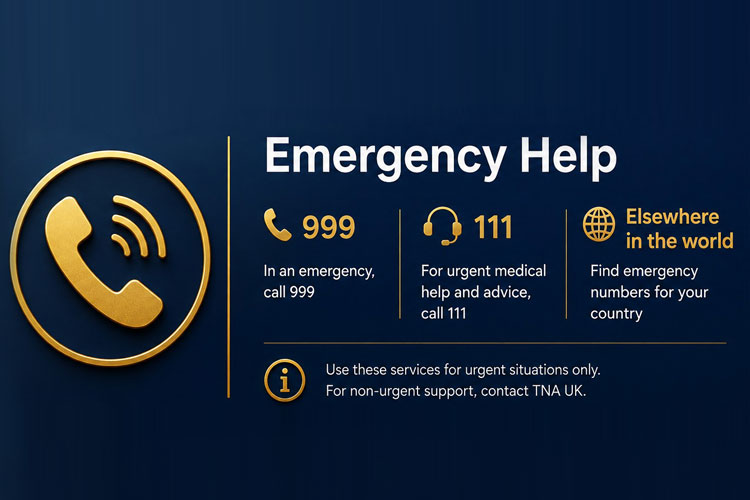
If you feel unable to keep yourself safe, call 999 or go to A&E. For urgent mental-health help that is not an immediate emergency, use NHS 111 and select the mental-health option where available.
For family members and carers
Avoid touching known trigger areas without asking.
Help record every same-sided eye, nose or facial symptom, not only the pain.
Support food, fluids, sleep and specialist appointments during severe periods.
Act urgently on new neurological or visual symptoms or a sudden change in pattern.
Frequently Asked Questions
Answers to common questions
Short-lasting unilateral neuralgiform headache attacks with cranial autonomic symptoms.
They are closely related, but SUNCT requires both eye redness and tearing.
Yes. This overlap with TN is one reason specialist diagnosis matters.
They are usually too slow for very brief attacks. Preventive specialist treatment is more relevant.
Related Conditions and Topics
Other facial pain conditions and useful information
This information is for general guidance and does not replace professional medical advice. Always consult your healthcare professional.
Latest News
TN Awareness Day 2026: Show TN 3 Fingers Passes 250,000 Views
TNA UK’s Show TN 3 Fingers and Face of TN campaign has passed 250,000 YouTube views, marking a quarter of a million views for trigeminal neuralgia awareness.