Glossopharyngeal neuralgia causes brief, severe pain in areas supplied by the glossopharyngeal nerve, often the throat, back of the tongue, tonsil area, angle of the jaw or deep ear.
The glossopharyngeal nerve carries sensation from parts of the throat, tongue and ear and contributes to swallowing.
Neuralgia causes sudden attacks that begin and end abruptly. It is rare and requires specialist assessment.
Some cases are associated with vascular compression or another underlying cause, while others remain idiopathic.
Signs And Symptoms
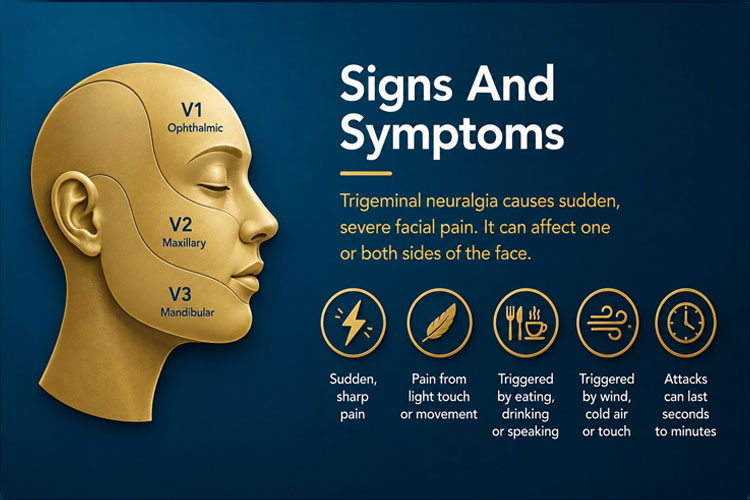
Brief severe stabbing, shooting or electric shock-like pain
Pain in the throat, tonsil area, base of tongue, deep ear or beneath the angle of the jaw
Attacks lasting seconds to about two minutes
Pain usually affecting one side
Rare associated fainting, slow heart rate or other cardiac symptoms
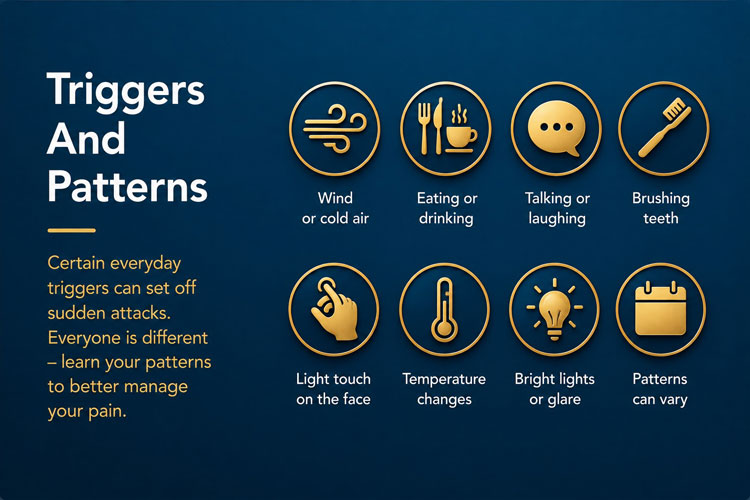
Triggers And Patterns
Swallowing, especially cold liquids
Talking, coughing, sneezing or yawning
Chewing or touching parts of the throat or ear in some people
Assessment Or Diagnosis
Assessment may involve a GP, ENT specialist, neurologist, neurosurgeon, oral medicine or facial pain service.
The clinician will ask about the exact location and swallowing triggers and may arrange MRI or other investigations.
Dental, throat, ear and cardiac causes may need to be excluded.
Treatment And Management
Medicines used for neuralgic pain may be prescribed, often using principles similar to TN treatment.
When medicines fail or are poorly tolerated, a neurosurgeon may discuss procedures in carefully selected cases.
Any fainting, heart rhythm symptoms or swallowing difficulty must be reported to the clinician.
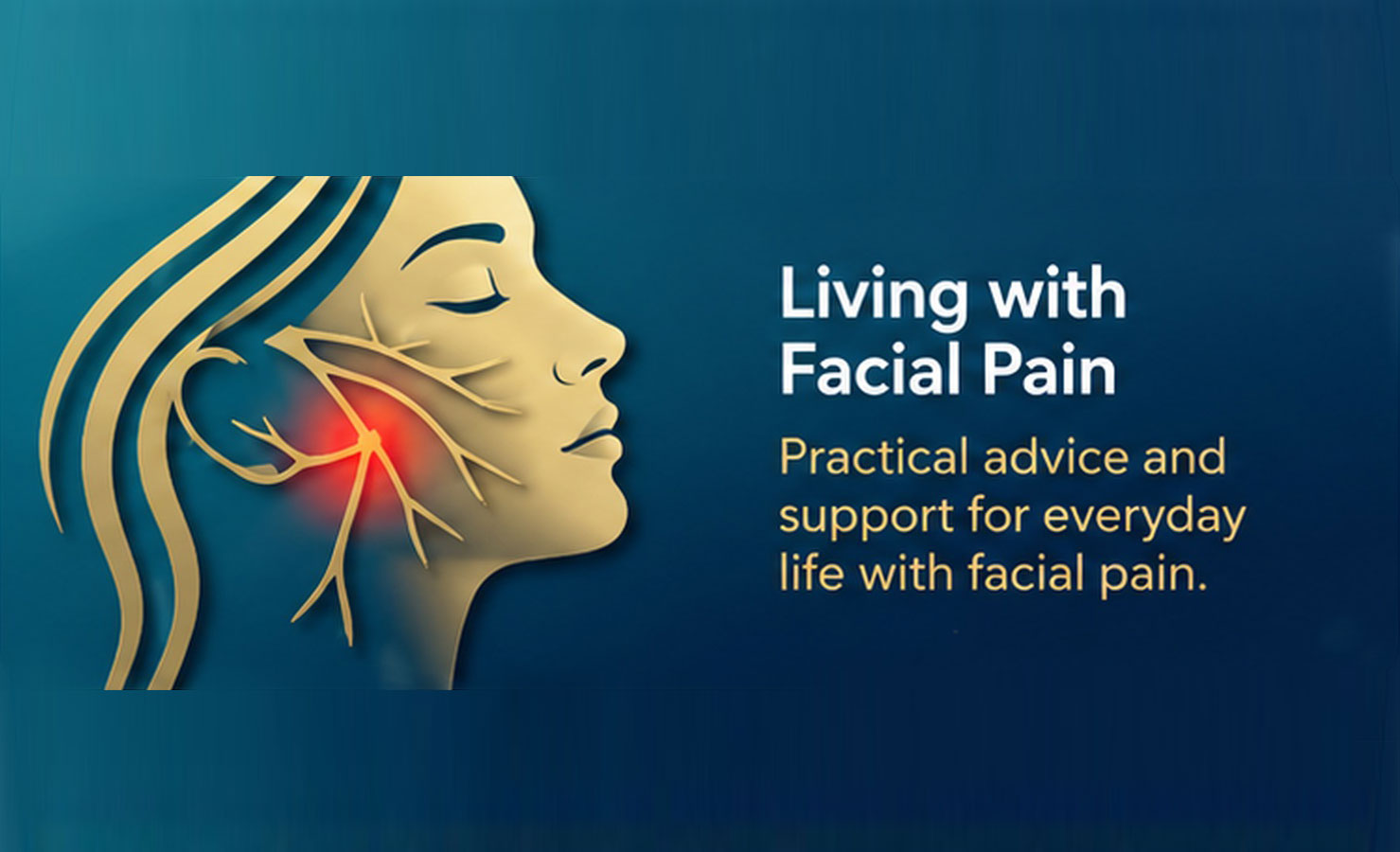
Living with the condition
Fear of triggering pain can affect eating, drinking, speaking and social confidence. Nutrition and hydration need attention when swallowing becomes difficult.
What you can do today
Record whether pain is triggered by swallowing, cold drinks, talking, coughing or yawning and where it is felt.
Choose food and drinks that are easier to manage while awaiting assessment, but seek urgent help if adequate food or fluids are not possible.
Tell the clinician immediately about fainting, palpitations, dizziness, chest symptoms or a slow pulse.
Do not dismiss deep ear or throat pain simply because the ear or throat looks normal.
Preparing for your appointment
Exact pain location: throat, tongue, tonsil area, jaw angle or deep ear
Attack duration, frequency and whether it is one-sided
Triggers such as swallowing, cold drinks, talking, coughing or yawning
Any fainting, palpitations, slow pulse, chest symptoms or dizziness
Any swallowing difficulty, weight loss, dental, throat or ear symptoms
Medicines, investigations and specialist treatments already tried
When pain is affecting your wellbeing
Fear of swallowing or triggering pain can affect nutrition, hydration, speech and social life.
Support for sleep, anxiety, low mood and coping can sit alongside medical treatment. It does not mean the pain is imagined.
If you feel unable to keep yourself safe, call 999 or go to A&E. For urgent mental-health help that is not an immediate emergency, use NHS 111 and select the mental-health option where available.
For family members and carers
Allow the person to eat, drink and speak at a pace that reduces triggering, without pressuring them.
Help record swallowing triggers, attack duration and any fainting, dizziness or heart symptoms.
Support nutrition and hydration and seek urgent help if these cannot be maintained.
Call 999 for collapse, loss of consciousness, chest symptoms or severe breathing or swallowing difficulty.
Frequently Asked Questions
Answers to common questions
No. The pain distribution and swallowing-related triggers differ, although both cause brief neuralgic attacks.
Yes. Pain may be felt deep in the ear even when the ear itself appears normal.
Rarely, glossopharyngeal attacks can be associated with changes in heart rate and blood pressure.
Neurology and ENT are often involved, with neurosurgery or facial pain services where needed.
Related Conditions and Topics
Other facial pain conditions and useful information
This information is for general guidance and does not replace professional medical advice. Always consult your healthcare professional.
Latest News
TN Awareness Day 2026: Show TN 3 Fingers Passes 250,000 Views
TNA UK’s Show TN 3 Fingers and Face of TN campaign has passed 250,000 YouTube views, marking a quarter of a million views for trigeminal neuralgia awareness.