Sinusitis can cause pain, pressure and tenderness around the cheeks, eyes or forehead, usually alongside nasal symptoms. Facial pain without nasal symptoms may have another cause.
The sinuses are air-filled spaces in the face. Sinusitis is swelling of their lining, commonly after a cold or flu.
Acute sinusitis often improves within a few weeks. Longer-lasting or recurrent symptoms may need medical review.
Migraine and other headache disorders are sometimes mistaken for sinus pain.
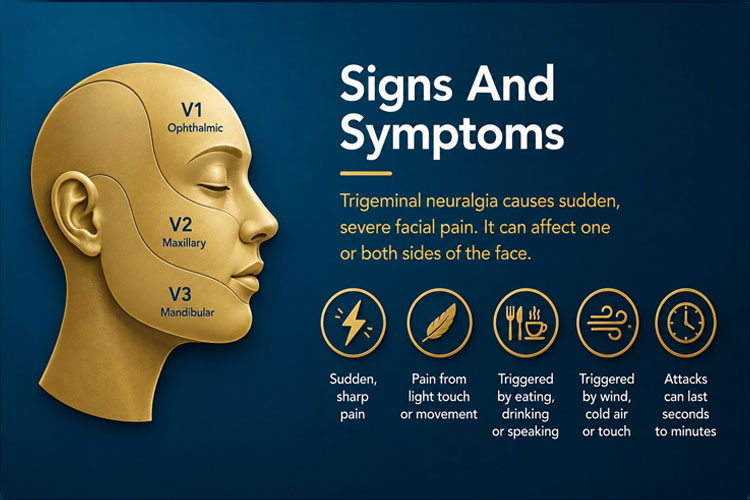
Signs And Symptoms
Facial pain, pressure or tenderness around the cheeks, eyes or forehead
Blocked or runny nose
Reduced sense of smell
Yellow or green nasal mucus
Headache, toothache, ear pressure or cough
Fever or feeling unwell in some cases
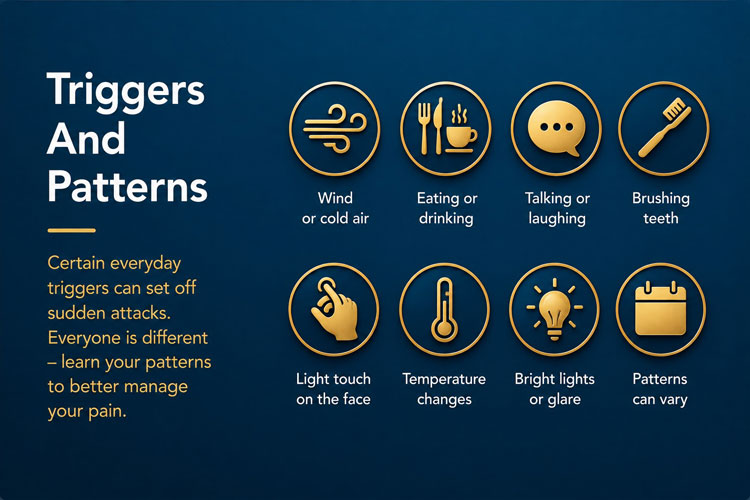
Triggers And Patterns
Symptoms often follow a cold or upper respiratory infection
Pain or pressure may worsen when bending forward
Isolated brief electric-shock pain is not a typical sinusitis pattern
Assessment Or Diagnosis
A pharmacist or GP may assess symptom duration, nasal discharge, fever and the location of pain.
Examination or referral to ENT may be needed when symptoms are severe, recurrent, one-sided or persistent.
Dental disease, migraine, TMD and neuralgias may need to be considered when the pattern is atypical.
Treatment And Management
Many cases improve with rest, fluids, saline nasal rinsing and standard pain relief when safe for the person.
A pharmacist or clinician may advise treatments for nasal symptoms. Antibiotics are not routinely needed for uncomplicated viral sinusitis.
Persistent or recurrent symptoms should be reviewed rather than repeatedly self-treated.
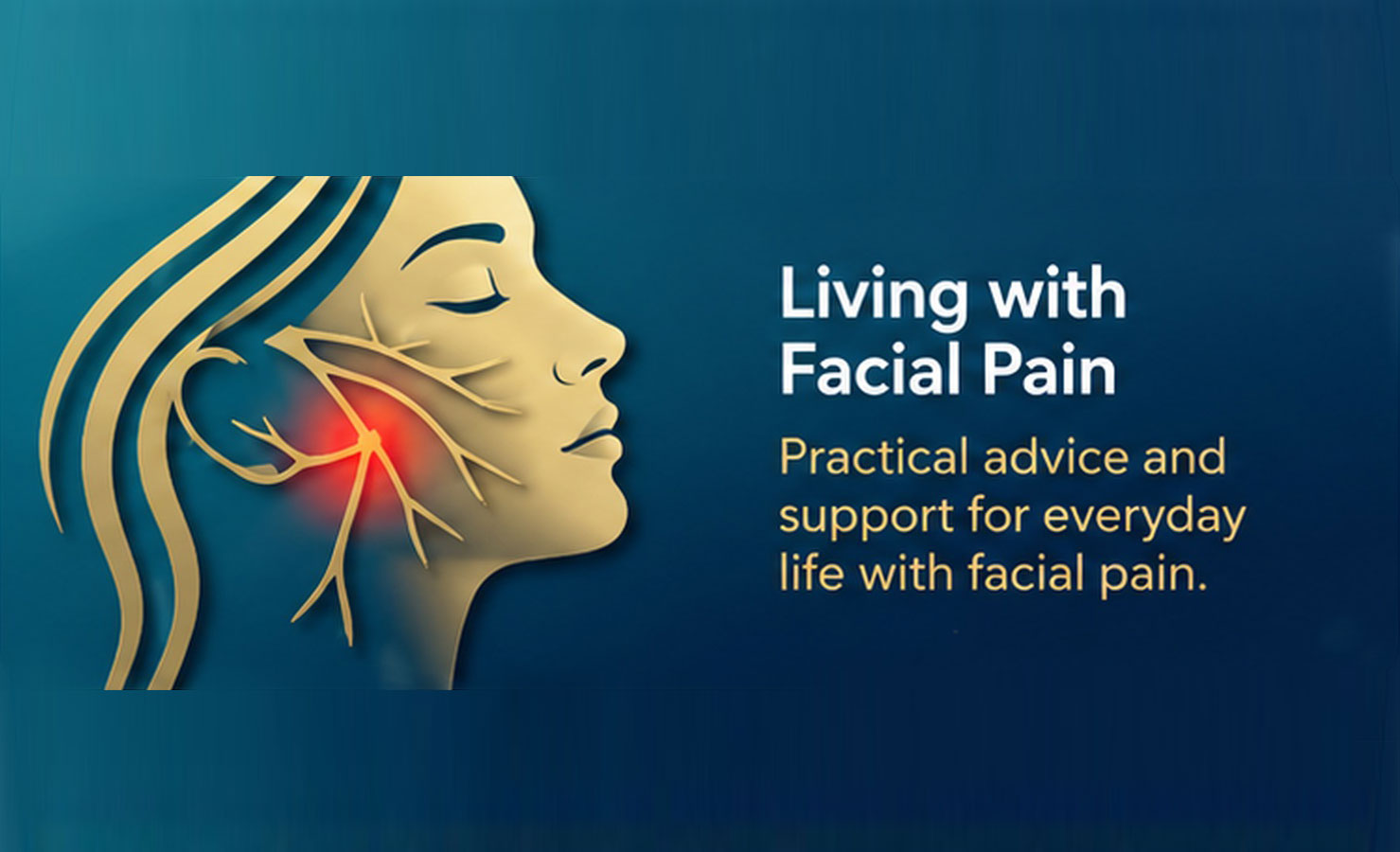
Living with the condition
Note whether facial pain occurs with blocked nose, discharge, reduced smell or infection symptoms. This helps distinguish sinus symptoms from other facial pain patterns.
What you can do today
Record whether facial pressure occurs with a blocked or runny nose, discharge, reduced smell, fever or a recent cold.
Rest, drink fluids and consider saline nasal rinsing if suitable for you.
Ask a pharmacist or GP about symptom relief rather than repeatedly using antibiotics or decongestants without advice.
Seek review for recurrent, prolonged, severe or one-sided symptoms, or symptoms without clear nasal features.
Preparing for your appointment
When symptoms began and whether they followed a cold or flu
Location of pressure or pain and whether it is one-sided
Blocked or runny nose, smell loss, discharge, fever or cough
Whether bending forward changes the pressure
Any dental, migraine, eye or neurological symptoms
Treatments tried, duration of symptoms and whether they repeatedly return
When pain is affecting your wellbeing
Recurrent facial pressure and uncertainty about its cause can affect sleep, concentration and confidence.
Support for sleep, anxiety, low mood and coping can sit alongside medical treatment. It does not mean the pain is imagined.
If you feel unable to keep yourself safe, call 999 or go to A&E. For urgent mental-health help that is not an immediate emergency, use NHS 111 and select the mental-health option where available.
For family members and carers
Help record nasal symptoms alongside the pain so the clinician can see the full pattern.
Support fluids, rest and appropriate pharmacy or GP advice.
Do not assume that every episode of facial pressure is sinusitis.
Act urgently on eye swelling, visual change, confusion or rapidly worsening illness.
Frequently Asked Questions
Answers to common questions
Yes. Upper teeth may ache because their roots are close to the maxillary sinuses, but dental causes must still be considered.
No. Migraine, TMD and other conditions can cause facial pressure or pain.
No. Colour alone does not prove a bacterial infection or determine treatment.
Usually for recurrent, prolonged, severe, one-sided or complicated symptoms.
Related Conditions and Topics
Other facial pain conditions and useful information
This information is for general guidance and does not replace professional medical advice. Always consult your healthcare professional.
Latest News
TN Awareness Day 2026: Show TN 3 Fingers Passes 250,000 Views
TNA UK’s Show TN 3 Fingers and Face of TN campaign has passed 250,000 YouTube views, marking a quarter of a million views for trigeminal neuralgia awareness.