Migraine can cause pain in the face as well as the head. Some people feel pain around the eye, cheek, jaw, teeth or sinuses, with or without a prominent headache.
Migraine is a neurological disorder that can cause recurrent attacks of pain and other symptoms. Facial pain may occur as part of a migraine attack.
The pain can be one-sided or bilateral and may be throbbing, pressing or aching. Some people first seek dental or sinus treatment because the pain is felt in the face.
A clinician must distinguish migraine from dental disease, TMD, cluster headache, TN and other causes.
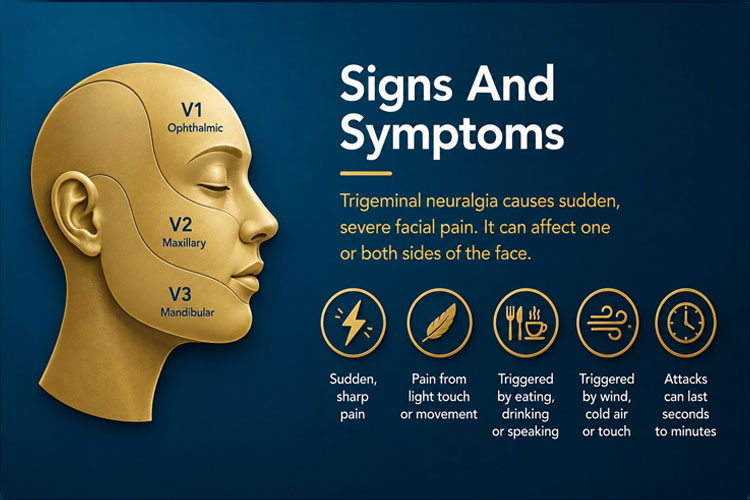
Signs And Symptoms
Throbbing, pulsating, pressure-like or aching pain
Pain around the eye, forehead, cheek, jaw or teeth
Nausea or vomiting
Sensitivity to light, sound, smell or movement
Visual or sensory aura in some people
Attacks lasting hours to days and affecting normal activity
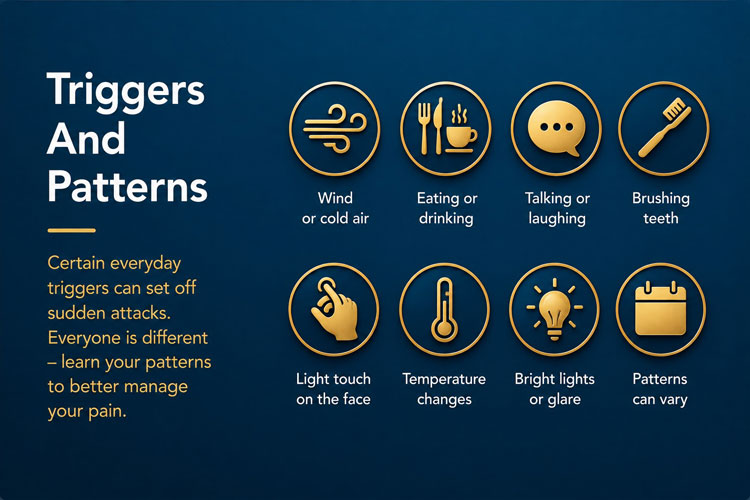
Triggers And Patterns
Sleep disruption, missed meals or dehydration
Hormonal change, stress or relaxation after stress
Bright light, strong smells or certain individual triggers
Triggers vary and are not the cause of migraine itself
Assessment Or Diagnosis
Diagnosis is based on the pattern, duration, associated symptoms and examination. A headache diary can be helpful.
Imaging is not needed for every typical migraine, but may be considered when red flags, abnormal examination or an unusual pattern are present.
Dental or ENT assessment may be needed when symptoms strongly suggest those areas.
Treatment And Management
Treatment may include acute medicines taken during attacks, preventive treatment when attacks are frequent or disabling, and management of sleep, meals and other individual factors.
Overuse of acute pain or migraine medicines can worsen headache frequency, so medicine use should be reviewed.
A GP or headache specialist should advise on treatment, pregnancy safety, interactions and preventive options.
Living with the condition
Keep a diary of timing, duration, facial location, associated symptoms, medicines and recovery. Avoid rigid trigger restriction unless a consistent personal trigger is clear.
Migraine can affect work, caring responsibilities and social life even when facial pain is the most noticeable symptom.
What you can do today
Keep a diary of the facial and head pain, associated symptoms, attack duration, medicines used and recovery time.
Try to keep meals, fluids and sleep reasonably regular, as disruption can make attacks more likely for some people.
Avoid restricting many foods or activities unless a consistent personal trigger is clear.
Seek treatment review if attacks are frequent, disabling, changing or require acute medicines on many days each month.
Preparing for your appointment
Facial and head pain location, side, quality and duration
Nausea, light, sound, smell or movement sensitivity
Visual, sensory, speech or other aura symptoms
Attack frequency, recovery time and effect on normal activity
Acute medicines used and number of days each month they are taken
Sleep, meals, hydration, hormonal factors and any consistent personal triggers
When pain is affecting your wellbeing
Migraine can affect work, caring responsibilities and emotional wellbeing even when facial pain is the main symptom.
Support for sleep, anxiety, low mood and coping can sit alongside medical treatment. It does not mean the pain is imagined.
If you feel unable to keep yourself safe, call 999 or go to A&E. For urgent mental-health help that is not an immediate emergency, use NHS 111 and select the mental-health option where available.
For family members and carers
Provide a quiet, dark or low-stimulation space when that helps the person.
Help record attack timing, symptoms and medicine use without pressuring the person to identify every possible trigger.
Support regular food, fluids and sleep where possible.
Know the stroke and sudden severe headache warning signs.
Frequently Asked Questions
Answers to common questions
Yes. Migraine pain can be referred into the face, but dental and jaw causes must be checked when appropriate.
In some people, facial pain is a prominent part of the migraine presentation. Careful clinical assessment is needed because dental disease, TMD, sinus disease and other facial pain conditions can produce similar symptoms.
Many people labelled with sinus headache have migraine, especially when there is nausea or light sensitivity without clear infection symptoms.
Yes. Timing, duration, symptoms, medicines and effect on activity can help diagnosis and treatment review.
Related Conditions and Topics
Other facial pain conditions and useful information
This information is for general guidance and does not replace professional medical advice. Always consult your healthcare professional.
Latest News
TN Awareness Day 2026: Show TN 3 Fingers Passes 250,000 Views
TNA UK’s Show TN 3 Fingers and Face of TN campaign has passed 250,000 YouTube views, marking a quarter of a million views for trigeminal neuralgia awareness.