Trigeminal neuralgia causes sudden, severe facial pain, often described as an electric shock or sharp shooting pain. Attacks are usually brief, but the condition can have a profound effect on eating, speaking, dental care and daily life.
Trigeminal neuralgia, usually shortened to TN, is a long-term pain condition affecting the trigeminal nerve, which carries sensation from the face to the brain.
TN is classified as classical, secondary or idiopathic. Classical TN is associated with a blood vessel compressing the nerve and causing changes to it. Secondary TN is caused by another condition, such as multiple sclerosis or, less commonly, a tumour. Idiopathic TN is used when no clear cause is found after appropriate assessment.
Some people have only brief attacks. Others also experience a more continuous aching or burning pain between attacks.
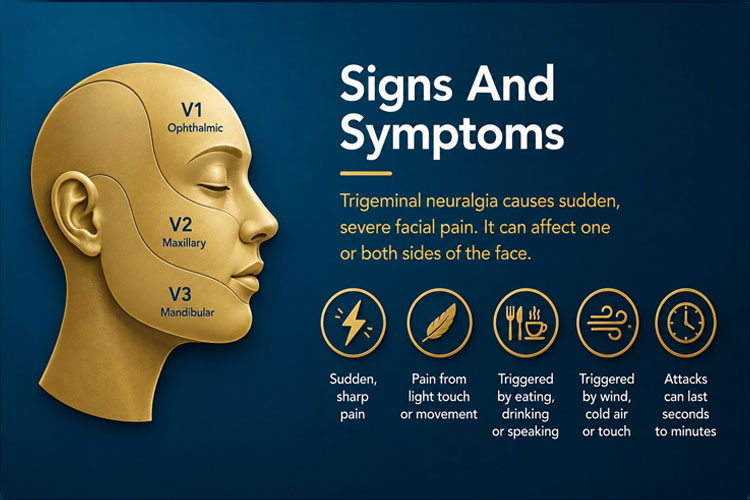
Signs And Symptoms
Sudden severe pain described as electric shock-like, stabbing, shooting or sharp
Pain usually affecting one side of the face
Pain in the cheek, jaw, teeth, gums, lips or, less commonly, around the eye or forehead
Attacks lasting from a few seconds to about two minutes
Repeated attacks over a day or during periods lasting days, weeks or months
Aching, throbbing or burning pain between attacks in some people
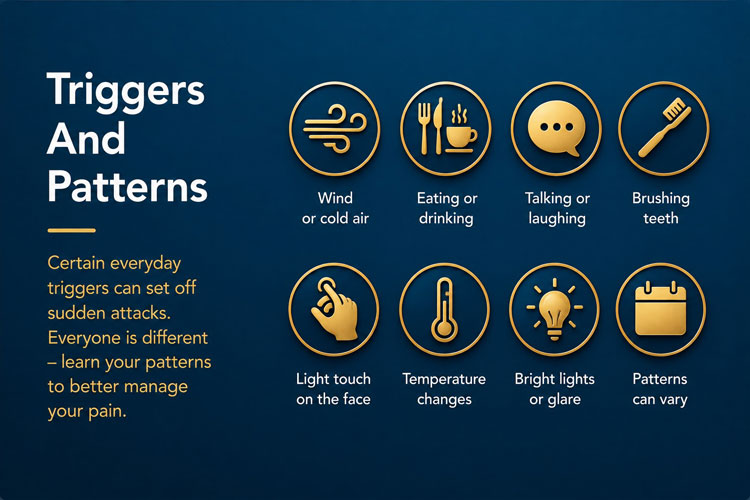
Triggers And Patterns
Light touch to the face
Talking, smiling, chewing or swallowing
Brushing the teeth, washing the face, shaving or applying make-up
A cool breeze, air conditioning or vibration
Spontaneous attacks with no obvious trigger
Assessment Or Diagnosis
There is no single test that proves TN. Diagnosis is based mainly on the description and pattern of pain, together with clinical examination and the exclusion of other causes.
Because pain may be felt in the teeth or jaw, many people first see a dentist. Dental causes should be assessed, but irreversible dental treatment should not continue when no dental cause has been found.
A GP may refer someone to neurology or a specialist facial pain service. Neurosurgical assessment may be considered when a procedure is being discussed. MRI is often used to look for possible causes, including multiple sclerosis, a tumour or clinically relevant neurovascular compression.
Treatment And Management
A doctor will usually offer carbamazepine as the initial medicine for trigeminal neuralgia. It must be prescribed and monitored by a clinician.
If carbamazepine is unsuitable, ineffective or poorly tolerated, specialist advice is normally needed. Other medicines may be considered off-label after discussion of benefits, risks and monitoring.
When medicines do not provide adequate control or cause unacceptable side effects, a specialist may discuss procedures. These include microvascular decompression, percutaneous procedures and stereotactic radiosurgery. Each has different potential benefits, limitations and risks.
Living with the condition
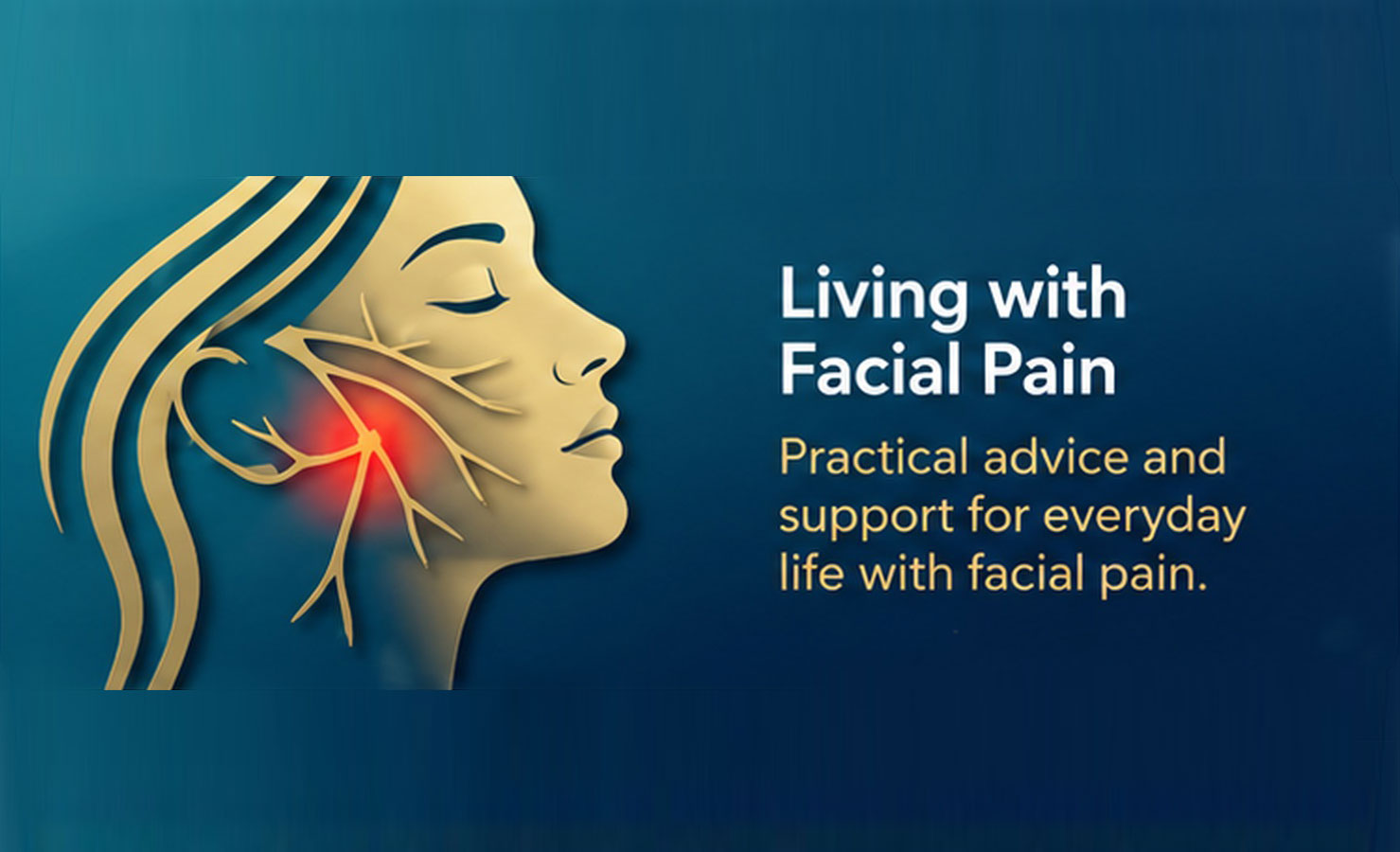
Fear of triggering pain can affect eating, drinking, speaking, washing, dental care and social contact. A pain record can help show attack length, frequency, triggers, background pain and the effect of treatment.
Tell the prescribing clinician about dizziness, unsteadiness, severe drowsiness, skin reactions or other worrying effects. Do not stop anticonvulsant medication suddenly unless a clinician advises it.
What you can do today
Write down the exact side and location of the pain, how long each attack lasts, how many attacks occur and whether there is pain between attacks.
Protect the face from known triggers where practical, for example by using a scarf in cold wind or avoiding direct air conditioning.
Choose food and drinks that are easier to manage during severe periods and seek medical advice if pain is preventing adequate food, fluids or prescribed medicines.
Keep a current medicine list and tell the prescriber promptly about worrying side effects. Do not stop anticonvulsant medicine suddenly unless a clinician tells you to.
Preparing for your appointment
Where the pain is felt, which side is affected and whether it moves
Pain quality, attack length, frequency, triggers and any pain between attacks
Any numbness, weakness, eye symptoms, swelling, fever, dental or jaw symptoms
Medicines, doses, benefit, side effects and any previous procedures
How pain affects food, fluids, sleep, speech, work and emotional wellbeing
The questions you most want the clinician to answer
When pain is affecting your wellbeing
Fear of triggering another TN attack can affect eating, speaking, face care, sleep, confidence and social contact.
Support for sleep, anxiety, low mood and coping can sit alongside medical treatment. It does not mean the pain is imagined.
If you feel unable to keep yourself safe, call 999 or go to A&E. For urgent mental-health help that is not an immediate emergency, use NHS 111 and select the mental-health option where available.
For family members and carers
Believe the person’s account of pain even when attacks are brief or there is no visible sign.
Ask before touching the face and reduce unnecessary conversation during an attack.
Help record attacks, triggers, medicines and side effects, and support food and fluid intake.
Know the urgent warning signs and contact emergency services rather than waiting for TNA UK when necessary.
Frequently Asked Questions
Answers to common questions
It can, but it is uncommon and usually does not affect both sides at the same time. Bilateral or changing symptoms should be assessed.
No. MRI can identify possible causes, but scan findings must be interpreted with the pain history and examination.
Paracetamol and ibuprofen are usually not effective for TN attacks. Treatment commonly uses medicines that reduce abnormal nerve signalling.
No. Suitability depends on the diagnosis, imaging, health, previous treatment and the balance of benefits and risks.
Related Conditions and Topics
Other facial pain conditions and useful information
This information is for general guidance and does not replace professional medical advice. Always consult your healthcare professional.
Latest News
TN Awareness Day 2026: Show TN 3 Fingers Passes 250,000 Views
TNA UK’s Show TN 3 Fingers and Face of TN campaign has passed 250,000 YouTube views, marking a quarter of a million views for trigeminal neuralgia awareness.